Are Motorcycle Intercoms Worth It? A 200,000 km Review
After riding 200,000+ km (124,000+ mi) with helmet intercoms, here is the honest answer: yes, but only if you choose the right one and use it for the right reasons. Not for social media. For navigation, safety, and group riding.
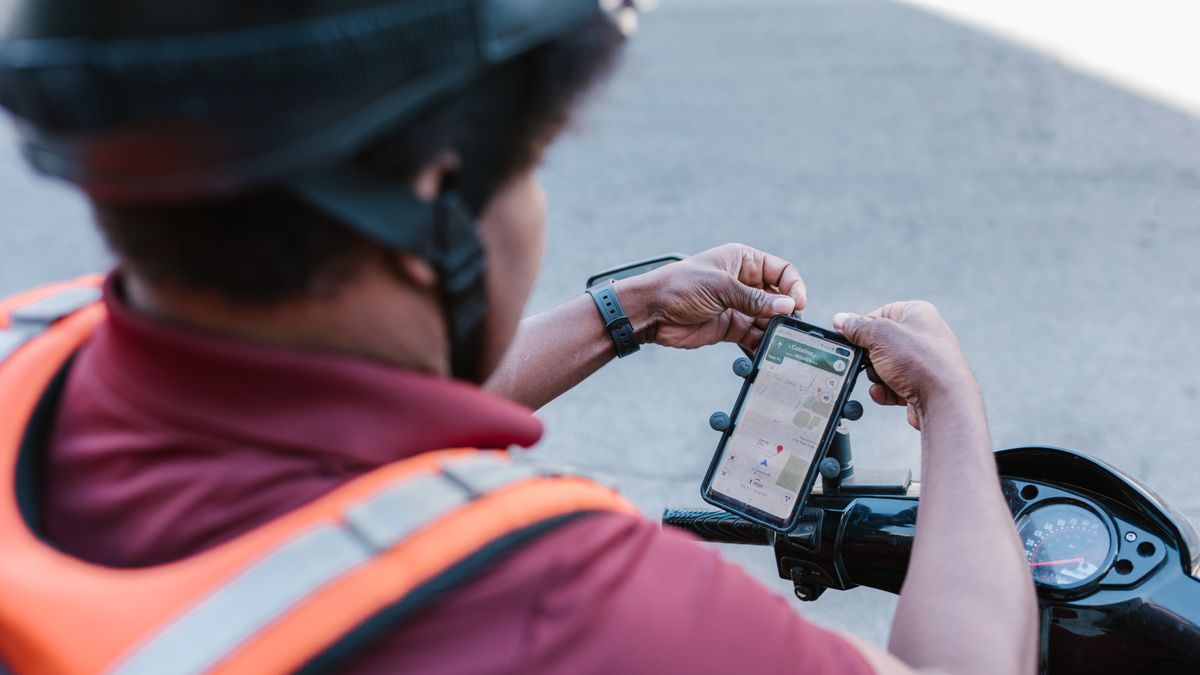
Table of Contents
What a helmet intercom actually does
A motorcycle intercom is a Bluetooth communication system mounted on your helmet. It provides four functions: navigation audio (turn-by-turn directions from your phone), phone calls (hands-free), music streaming (from your phone), and intercom communication (rider-to-rider or rider-to-passenger). Modern systems add mesh networking for larger groups and voice assistant integration (Siri, Google Assistant).
For touring, the primary value is navigation audio. Hearing turn-by-turn directions without looking at your phone is safer and more convenient than a handlebar-mounted screen. The secondary value is group riding — being able to communicate with other riders about road hazards, turns, and stops without hand signals.
Sena vs Cardo: the 2026 comparison
| Feature | Sena 50S | Cardo Packtalk Edge |
|---|---|---|
| Price (CAD) | $350-$400 | $350-$420 |
| Mesh intercom | Yes (Mesh 2.0) | Yes (Dynamic Mesh) |
| Bluetooth range | 1.6 km (1 mi) | 1.6 km (1 mi) |
| Mesh range | Up to 8 km (5 mi) | Up to 8 km (5 mi) |
| Battery life | 12 hours mesh, 20 hours BT | 13 hours mesh, 20 hours BT |
| Audio | HD speakers + amp | JBL speakers + amp |
| Charging | USB-C + magnetic dock | USB-C + magnetic dock |
| Voice assistant | Siri, Google | Siri, Google |
| App control | Sena app | Cardo Connect app |
Both are excellent. The Sena 50S has slightly better mesh stability in large groups (8+ riders). The Cardo Packtalk Edge has slightly better audio quality (JBL speakers) and a more intuitive app. I use the Sena 50S because it was available at my local dealer and the mesh networking is excellent for group rides.
Navigation prompts: the real daily use
The feature I use every single ride is navigation audio. My phone runs Google Maps in my jacket pocket, and the intercom speaks turn-by-turn directions into my helmet speakers. I never look at my phone while riding. This is safer than a handlebar mount and works in all weather (the phone stays dry in my pocket).
Setup: Pair the intercom with your phone via Bluetooth. Open Google Maps or Apple Maps. Start navigation. The intercom speaks the directions. Music pauses automatically when a direction is announced. This is the setup I use on every ride, including short commutes.
Group riding: mesh intercom explained
Traditional Bluetooth intercoms connect 2-4 riders in a daisy chain — if one rider drops out of range, the chain breaks and riders behind lose connection. Mesh networking solves this: every rider connects to every other rider simultaneously, and the network self-heals if someone drops out. If rider 3 falls behind, riders 1, 2, and 4 can still talk.
Mesh range is approximately 1.6 km (1 mi) between adjacent riders, but the mesh extends the total range — if riders are spread out, the total coverage can be 8+ km (5+ mi) as signals hop from rider to rider.
For group rides of 3+ riders, mesh is essential. For solo touring, it does not matter — you will only use Bluetooth for phone pairing.
Audio recording for content creation
For content creators, the intercom's microphone is an excellent audio source for motorcycle vlogs. The mic is inside the helmet, protected from wind, and positioned near your mouth for clear voice capture. Most modern intercoms allow audio recording to a separate file via Bluetooth to your phone or camera.
I use my Sena 50S to record voiceover while riding. The audio is clean, wind-free, and syncs perfectly with my camera footage in post-production. This is far better than a camera's built-in mic for voice audio. If you create motorcycle content, an intercom is not optional — it is your primary audio recording device.
Installation and compatibility
Both Sena and Cardo use clamp mounts that attach to the left side of your helmet. Installation takes 15-20 minutes:
- Position the clamp on the helmet shell (left side, near the bottom edge)
- Route the speakers into the helmet liner (most helmets have speaker pockets)
- Position the microphone — boom mic for full-face, wired mic for modular helmets
- Connect the speaker/mic cable to the main unit
- Test audio, phone pairing, and intercom function
Both brands work with virtually all helmet brands. Check that your helmet has speaker pockets (most modern helmets do). If not, you may need to modify the ear pads.
The honest verdict
Worth it if: You tour (navigation audio is invaluable), ride with a group (mesh intercom is a safety feature), ride with a passenger (being able to talk is a relationship-saver), or create motorcycle content (intercom mic = clean audio).
Skip if: You only ride short commutes alone, you never use navigation, and you do not ride with others. A $350 intercom is not worth it for solo short rides.
For me, after 200,000+ km, the answer is a clear yes. Navigation audio alone is worth the price. Content creation audio is a bonus. Group riding mesh is essential for events like the ECIC Muskoka run or Rolling Barrage.
Related Articles
How Much Does a 7-Day Motorcycle Trip Cost in Canada? Atlantic Canada Motorcycle Ferry Guide: What Riders Need Backroads vs Highway: How to Plan a Better Motorcycle Tour Best Time to Tour Atlantic Canada by Motorcycle — Full GuideFrequently Asked Questions
Both are excellent. Sena 50S has slightly better mesh stability for large groups. Cardo Packtalk Edge has slightly better audio (JBL speakers) and app. Choose based on what your riding friends use — mesh intercoms work best when everyone has the same brand.
Yes, but it is distracting. I take calls at rest stops, not while riding. For safety, let calls go to voicemail and return them when you stop.
Yes. Both Sena and Cardo are rated for rain (IP65+). The main unit is on the outside of the helmet, but it is designed to handle heavy rain. I have ridden in downpours with no issues.
Prices are approximate as of August 2026. Verify current pricing with Canadian motorcycle dealers or online retailers.