Riding Into November in Atlantic Canada: What Keeps You Warm
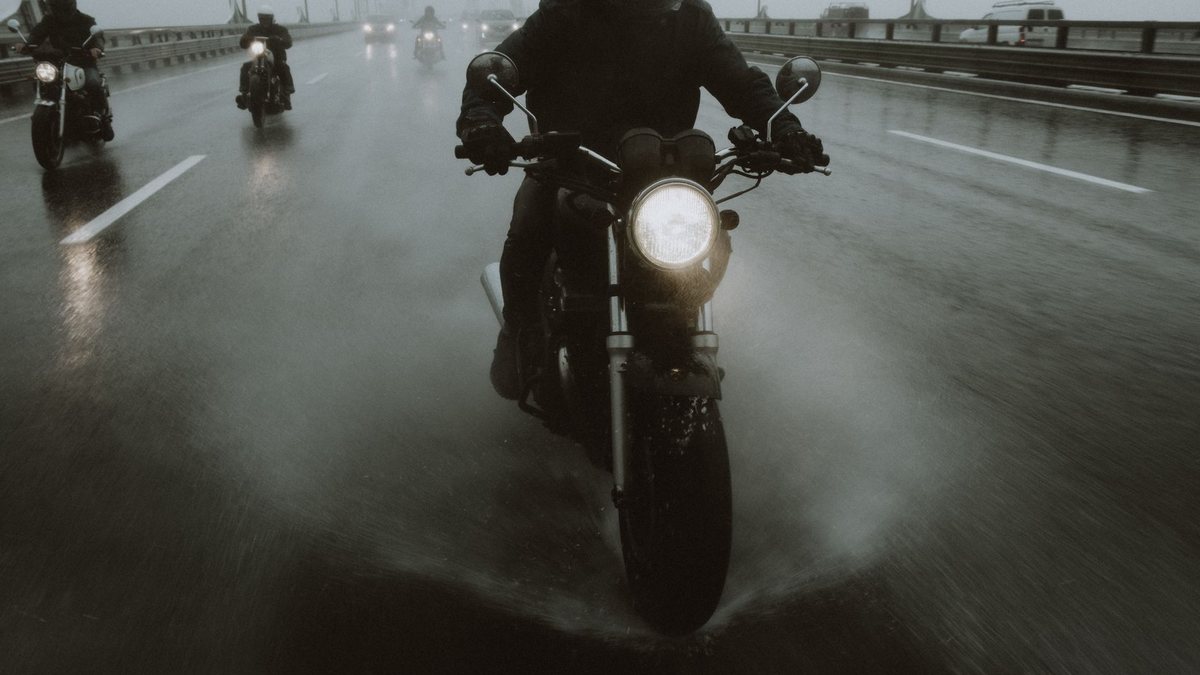
Photo: cottonbro studio via Pexels
In This Article
November riding in Atlantic Canada is not the same problem as winter riding. The roads are usually clear and the park is open, but the air is close to freezing, the daylight window is short and the road surface has stopped giving you free grip. What actually keeps you warm is less gear than most people think, applied in the right order.
Three layers, not one thick jacket
The mistake in cold weather riding is buying one heavy jacket and calling it done. Wind is what removes heat, and one thick layer either blocks wind and traps sweat, or breathes and lets wind through. Three thin layers do the job better:
- Base layer against the skin, synthetic or merino. Cotton holds moisture and chills you when you stop.
- Mid layer for insulation, fleece or a light puffy. This is the layer you add or remove at a fuel stop.
- Shell with a windproof membrane. On a touring fairing most of your body is protected, but your neck, shoulders and arms catch the airflow that comes around the screen.
The neck is the single most overlooked gap. A buff or neck tube costs almost nothing and changes how long you can stay out.
Hands fail before anything else
Heated grips help the palm and nothing else. The back of the hand and the fingers take the wind, and that is where the cold gets in. Two fixes that work: handguards or mitts that move the airflow off the levers, and heated gloves that warm the whole hand rather than one contact patch.
Plan for the cold getting worse rather than better. Riding home in three degrees in failing light is a different ride from leaving in three degrees at nine in the morning, because the road loses the sun's help and your body has already been working for hours.
What the road does in November
Cold asphalt has less grip, and the difference is not obvious until you ask for it. Tyres that felt planted in September will slide earlier on a cold morning, and the first ten minutes are the worst of it because the rubber is still cold.
- Salt and gravel: intersections and shaded corners hold grit long after the rest of the road is clear.
- Wet leaves: on a back road in November, they are as slippery as ice.
- Black ice: the risk is bridges, shaded corners and low ground in the early morning, not the open highway at noon.
- Daylight: the riding window shrinks fast. Plan the day around being home before the light goes, not around distance.
What the bike needs in the cold
Cold affects the machine as much as the rider. Battery capacity drops, so a bike that cranks slowly in September may not start at all after a cold night. Tyre pressure falls with temperature, which changes both grip and steering feel, so check it cold and set it to the specification rather than to whatever it was in summer.
Visor fogging is the other one. A pinlock insert or a breath guard does more than any spray, and cracking the visor at low speed clears fog faster than wiping it, which only smears. Gloves with a visor wipe on the thumb are worth having for the same reason.
Plan a shorter day than you think
The mistake in late season riding is planning a summer route with a summer timetable. In November the usable window in Atlantic Canada is short, the light goes early, and the temperature drops fastest in the last hour when you are tired. Build the day around two or three hours of riding with a defined turnaround, and stop before you are cold rather than after.
That is also the honest answer to whether late season riding is worth it. A short ride on a clear, dry, salt free road in cold air is one of the best things about living here. A long one, planned in July terms, is how people end up miserable and cold fifty kilometres from home.
A short pre-ride check
Five minutes before you leave, in the cold, saves most late season problems. Check tyre pressures cold, check the battery has actually charged rather than cranking slowly, check the visor and pinlock are clear, and check the forecast for the hour you plan to be back rather than the hour you leave.
Then decide whether the ride is worth it on the day. Some November days in Atlantic Canada are better than August. Others are a grey, salted mess with a headwind, and the honest call is to leave the bike parked and go another time. Cold weather riding rewards judgement more than it rewards gear.
Frequently Asked Questions
What should I wear riding at 3 degrees?
Three layers: a synthetic or merino base layer, a fleece or light puffy mid layer, and a windproof shell, plus a neck tube. Heated gloves matter more than a heavier jacket.
Do heated grips keep your hands warm?
They warm the palm only. The back of the hand and fingers still take the airflow, so handguards or heated gloves do more.
Is it safe to ride in November in Atlantic Canada?
On dry, salt free roads in daylight it can be, if you plan around the cold and shorten the day. Black ice on bridges and shaded corners is the limit.
Sources
- Parks Canada: Cape Breton Highlands hours. Park operating season and road status, which constrain late season riding.