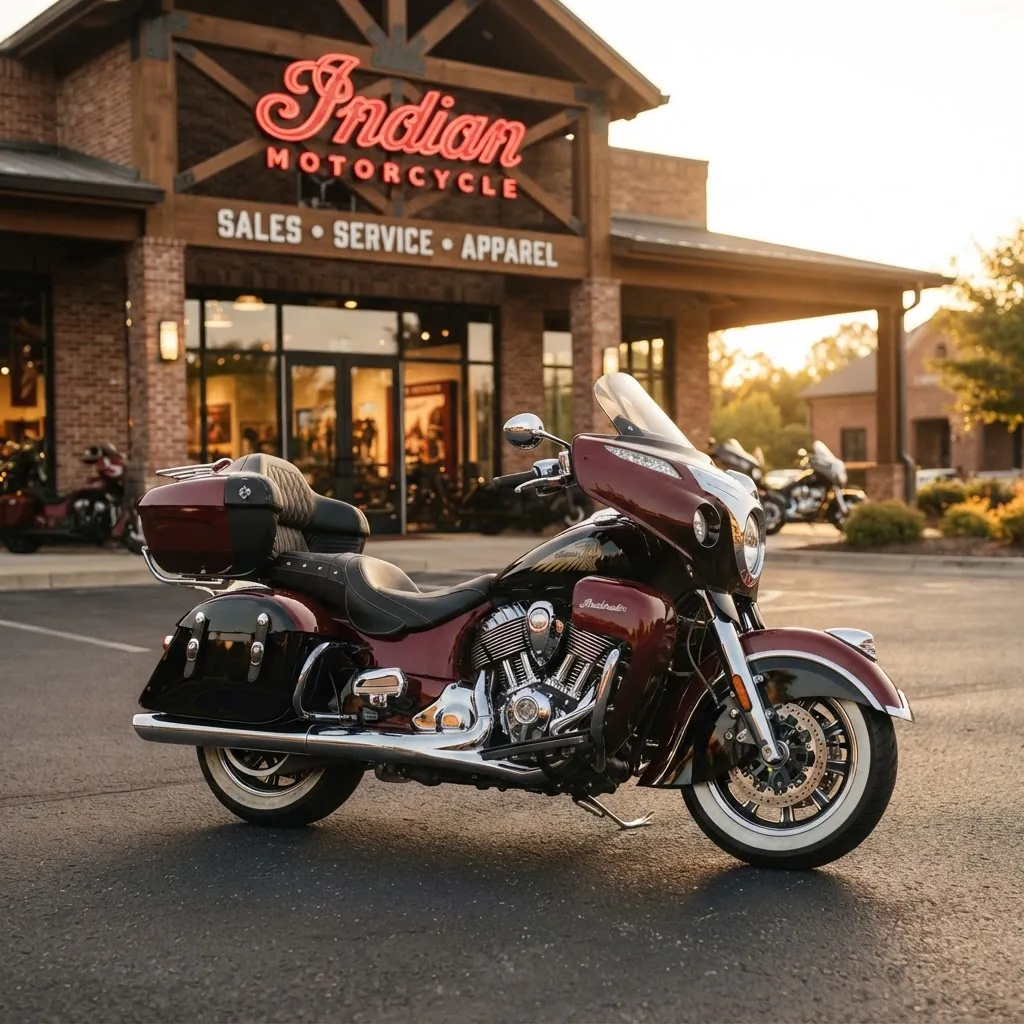
Polaris Selling Indian Motorcycles: What It Means for Riders in 2026
In the spring of 2026, Polaris announced it was exploring a sale of the Indian Motorcycles brand. For current owners like me — riding a 2024 Indian Pursuit 108ci PowerPlus — the question was immediate: What does this mean for my bike, parts availability, warranty support, and resale value?
I've owned my Pursuit since November 2025 and have logged over 10,000 km (6,200 miles) across Atlantic Canada. I've also talked to other Indian owners in New Brunswick about their concerns. Here's my take on what this sale actually changes for riders.
The Short Answer: Your Bike Still Works Tomorrow
Let's start with what doesn't change: your motorcycle. A 2024 Indian Pursuit will run exactly the same whether Polaris owns it, a private equity firm buys it, or Harley-Davidson acquires it.
Parts availability for recent models won't evaporate overnight. Polaris has massive supply chains, dealer networks, and service infrastructure. Even if ownership transfers, these assets have value and will transfer with the sale.
So if you're thinking about panic-selling your Indian, don't. Your bike is still a solid cruiser.
The Real Concern: Long-Term Support
Where uncertainty creeps in is beyond the next 2-3 years. Motorcycle brands are cyclical — they go in and out of fashion. Indian had a moment of growth under Polaris ownership (2011-2024), but market share remains fractional compared to Harley-Davidson or Kawasaki.
If a new owner decides to cut costs, they might reduce dealer count, trim parts inventory, or consolidate service centers. This isn't doom — it's business. But it affects how easy it is to service your bike 5-10 years from now.
- Stock high-wear parts now. Brake pads, filters, belts. They're cheap and always useful.
- Keep your maintenance records. A well-documented Indian holds value better in a soft market.
- Find a trusted independent mechanic who works on Harleys too. Indian engines share DNA with HD — knowledge transfers.
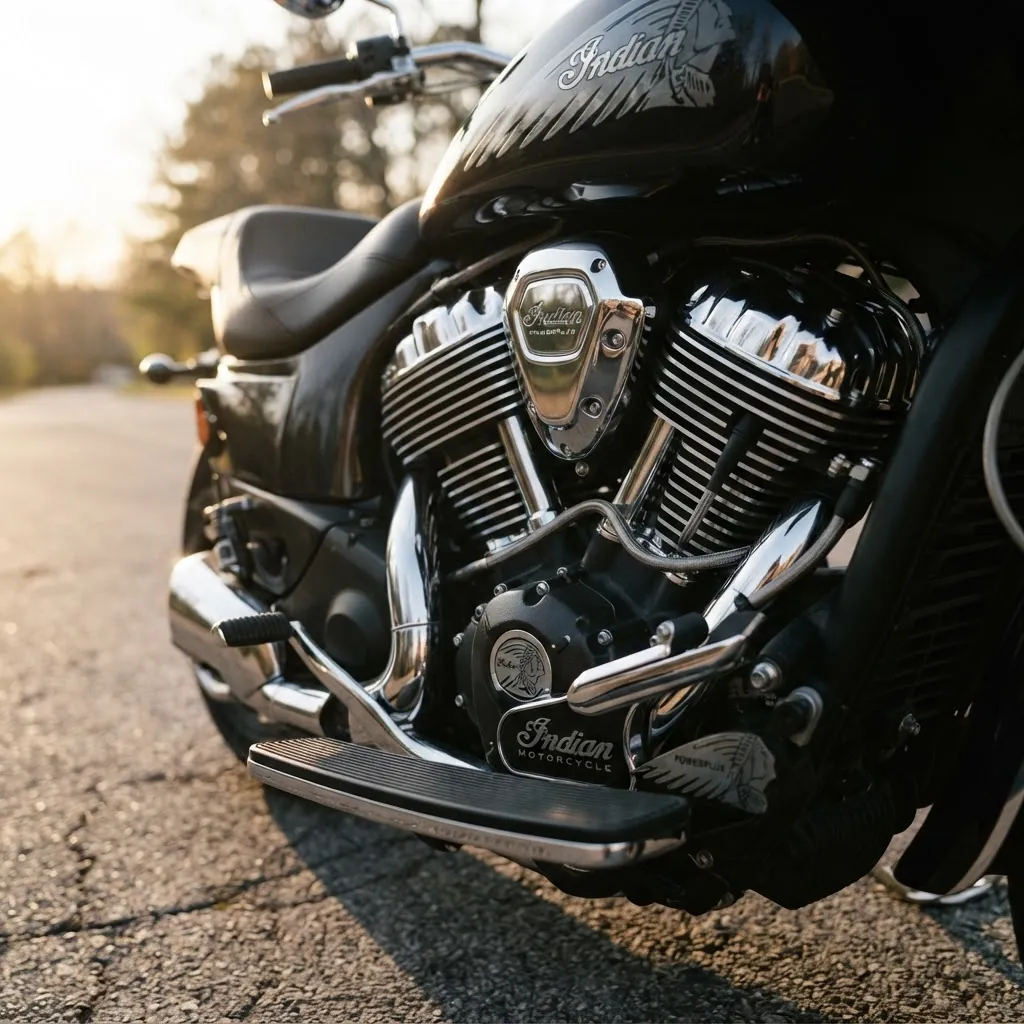
Resale Value: The Real Question
This is where uncertainty hits hardest, and it's worth being precise about currency here because the gap between USD and CAD pricing throws a lot of people off. New 2024/2025 Pursuit models carried a Canadian MSRP in the $37,500-$47,600 CAD range depending on trim (US MSRP was $36,000-$40,000 USD), so used values naturally sit well above what you'd see quoted in American-market articles.
Right now, a lightly used 2024 Indian Pursuit Dark Horse with 3,000-5,000 km (1,900-3,100 miles) is realistically worth $32,000-38,000 CAD, not $18,000-20,000 — that lower figure is closer to US-dollar used pricing on higher-mileage bikes, and mixing up the currency makes the Canadian market look a lot softer than it actually is. I paid $36,500 CAD for my own 2024 Pursuit Dark Horse Icon in November 2025 with 3,500 km already on it, which lines up with what dealers are actually asking for clean, low-mileage units up here. That's solid resale because the brand still has momentum in the Canadian market specifically.
If a new buyer spends $800M+ USD on Indian, they're betting on growth. That suggests confidence in the brand's future. Conversely, if no serious buyer emerges and Polaris shuts down the division, values could drop 20-30% as used inventory floods the market.
My honest take: a strong buyer (anyone with resources to market the brand globally) is better for your resale value than Polaris keeping it and slowly winding it down. The sale forces a reset, which is often healthier than gradual decay.
Warranty and Factory Support
Most new Indian bikes come with a 3-5 year warranty depending on the model. If you're within that window, warranty support is contractually protected — a new owner inherits those obligations.
However, extended warranties and coverage beyond the standard period might be voided or renegotiated if ownership changes. Check your documents now and understand exactly what's covered.
For my 2024 Pursuit, I'm still well inside factory coverage. A new owner would have no incentive to eliminate warranty claims — it's bad PR and expensive litigation.
The Larger Trend: Small Brands in a Consolidating Market
Indian isn't alone. Polaris also owned Victory (shut down in 2017), and the entire motorcycle market is consolidating. Ducati is owned by Audi. Harley-Davidson owns LiveWire (electric). The days of truly independent motorcycle brands are fading.
This doesn't mean Indian disappears. It means whoever owns it will need to leverage platforms, technology, and dealer networks efficiently. For riders, this can mean better parts sharing with parent companies or, in worst case, neglect.
Why I'm Not Worried About My Pursuit
I ride an Indian Pursuit because it's a solid cruiser. The 108ci PowerPlus engine is proven, the handling is forgiving, and it's comfortable for long New Brunswick backroad runs.
A brand sale doesn't change those facts. Even if Indian shrinks or changes hands, my bike will still do 800 km (500 mile) days without complaint. Parts availability might tighten in 10 years, but that's a future problem.
For current owners in Atlantic Canada, the practical advice is simple: enjoy your bike, maintain it well, and don't lose sleep over corporate changes. For people considering buying an Indian today, be aware that resale value is tied to brand momentum — but the motorcycles themselves are good.
Bottom Line
Your Indian Pursuit is still a great bike regardless of who owns the brand. Stock up on wear parts, keep your maintenance records, and keep riding. The corporate stuff will sort itself out.
As an Amazon Associate, Greg Toope earns from qualifying purchases through the links above.