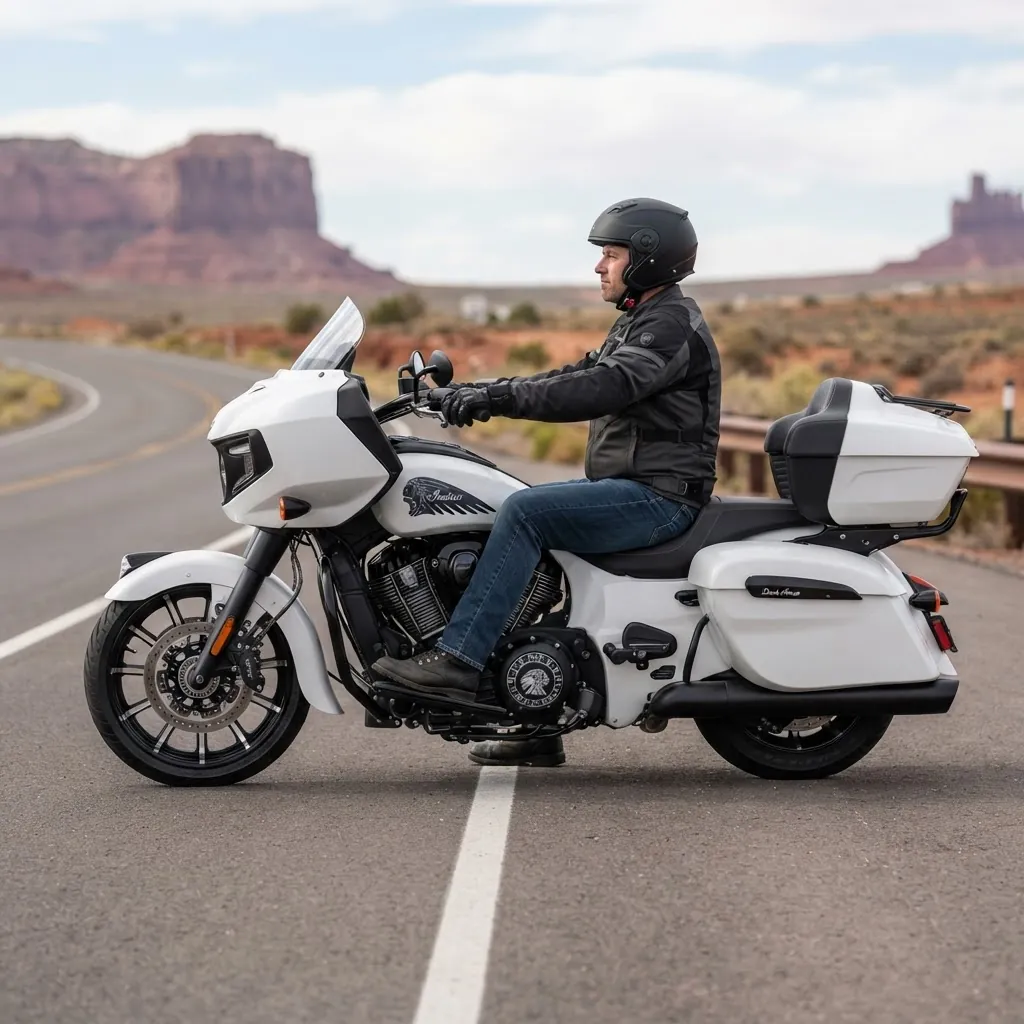
Motorcycle Riding Posture for Long-Distance Touring — Back Pain Prevention
I've done plenty of 8+ hour days on the Indian Pursuit — across New Brunswick backroads, up through the Cabot Trail, and out to Newfoundland. No back pain. No sore wrists. No numb legs. That doesn't happen by accident — it comes down to posture and intention. After 200,000 km of riding and 3,000 km on my 2024 Pursuit, I've learned that riding posture is the difference between enjoying a 500 km (310 mi) tour and limping away from your bike cursing the decision to ride.
Why Posture Matters on Cruisers
Sport bikes force aggressive forward positioning. Your core is engaged, your back is arched, your weight is dynamic. Cruisers do the opposite — they encourage you to relax. And that's where people go wrong. You can't just slump back and expect your spine to thank you after 6 hours.
Table of Contents
The Indian Pursuit's relaxed design is brilliant for casual riding, but on a long tour, you need intention. Riders who think they can just sit back and cruise often find themselves in real pain by hour four. Bad posture = compression on your lower lumbar spine = days of regret.
The Neutral Spine Position on a Cruiser
Here's the key: on a cruiser, your hips should be slightly forward of center — not back against the rear seat. Your shoulders should be loose and relaxed, but your core engaged. Think "sitting tall" rather than "leaning back."
On my Indian Pursuit, I adjust my position every 20–30 minutes during long rides. Five minutes sitting back and relaxed, ten minutes more upright, five minutes leaning slightly forward. Movement is your friend. Static positioning, even good positioning, creates fatigue.
Seat Height and Handlebar Reach
I run the stock Indian Pursuit seat — and honestly, for most riding it's fine. But if you're doing 8+ hour days back to back, the stock seat will start to wear on you. That's when upgrading to an aftermarket touring seat is worth seriously considering. A higher-profile touring seat changes your hip angle and dramatically reduces pressure on your lower back — many long-distance tourers swear by the difference.
Handlebar height matters equally. The stock bars put your hands low, which means your shoulders round forward slightly. Mid-rise handlebars bring your hands up, which opens your chest and reduces strain on your shoulders and neck. It's one of the most impactful ergonomic upgrades you can make to a cruiser for long-distance riding.
Core Strength and Stretching
Here's something I'll be honest about: I don't have a dedicated workout routine. I run the stock setup and rely on good posture habits instead of gym work. But I'll tell you this — if you do put in even 10 minutes of stretching and light core work three or four times a week, you will feel it on the bike. Planks, dead bugs, glute bridges — nothing fancy. Riders who do this report dramatically less fatigue on long days.
I notice the difference on my own body after a really long tour. The guys I ride with who do any kind of off-bike core work consistently outlast those of us who don't when it comes to all-day comfort in the saddle. It's on my list. If it's not on yours, it should be.
Pressure Points and Padding
Long hours = pressure points = pain. The Indian Pursuit's stock seat handles casual riding just fine, but extended all-day touring is a different story. If you're not ready to swap the seat, an inexpensive gel seat cushion from Amazon ($25–$35) placed over the OEM cover can make a noticeable difference. Not the prettiest solution, but it takes the edge off pressure points on multi-hour rides.
Wrist pain is also common on cruisers with low, straight bars. I run the stock grips, and they work — but if you find your palms going numb or your wrists aching, thicker grips are the fix. Ergonomic handlebar grips add diameter and reduce pressure on your palms. A simple upgrade that a lot of tourers wish they'd done sooner.
Foot Peg Positioning
Stock foot pegs on most cruisers are forward-set. That's great for relaxation but tough on long tours — your legs stay extended for hours, which reduces circulation and creates lower back strain. On a long tour, take regular weight-shifting breaks. Stand up on the pegs every 30 minutes for 30 seconds. It sounds small, but it decompresses your spine and resets circulation.
Neck and Shoulder Tension
Tension starts in your shoulders and radiates up. Keep them loose. Every 15–20 minutes, do quick shoulder rolls — forward, back, shrug up and down. Tension builds unconsciously on long rides and you don't notice it until you stop.
If you're wearing a heavy helmet, neck strain is cumulative. A well-fitting helmet with good aerodynamics reduces fatigue. Full-face helmets also cut down on wind buffeting, which means less unconscious tension-bracing all day long.
My Actual Touring Approach
My 2024 Indian Pursuit setup for 500+ km tours:
- Stock seat and stock grips — works, but aftermarket upgrades would help
- Regular position changes every 20–30 minutes
- Standing on pegs every 30 minutes to decompress
- Shoulder rolls and neck stretches on the fly
- Full-face helmet for aerodynamics and noise reduction
- Stopping every 90–120 minutes minimum to walk around
With this approach I can comfortably do 400–500 km per day. Riders who add a proper touring seat and do off-bike core work push that number considerably further.
The Honest Truth
Touring requires more than just a good bike. It requires intentional posture and strategic positioning adjustments. I do it on stock equipment because that's where I'm at right now — but I won't pretend that a better seat, ergonomic grips, and some core strength wouldn't make those long days easier. They would. These are real upgrades worth making if you're serious about long-distance touring.
New Brunswick and Atlantic Canada have some of the best riding roads in North America — over 3,000 km of them just in this region. Don't let bad posture or the wrong setup keep you from enjoying them. Sit tall, move often, and ride smart.
Frequently Asked Questions
How do I prevent back pain on long motorcycle rides?
Prevent back pain by adjusting handlebar height for an upright posture, taking breaks every 150-200 km (93-124 miles), strengthening your core muscles, wearing proper riding gear, and adjusting footpeg position. Mid-rise handlebars on the Indian Pursuit significantly reduce lower back strain.
What is the best riding posture for long-distance touring?
The best touring posture is an upright or slightly forward lean with relaxed arms, knees gripping the tank, and feet firmly on the pegs. Avoid locking elbows or hunching shoulders. A touring bike like the Indian Pursuit with mid-rise bars naturally promotes this posture.
How often should you take breaks on a motorcycle tour?
Take a break every 150-200 km (93-124 miles) or every 1.5-2 hours, whichever comes first. Stretch your legs, hydrate, and move around. Even a 10-minute break significantly reduces fatigue and improves concentration.
Related articles:
- Touring Mistakes That Cost You Time and Money
- Real Cost of Motorcycle Touring Canada
- What Nobody Tells You About Riding the Cabot Trail Best Motorcycle Rain Gear for Touring in 2026 Electric Motorcycle Touring — Is It Ready for Atlantic Canada? Electric Motorcycle Touring in Canada 2026 — The Honest Reality