When You Shouldn't Ride: A Motorcycle Safety Lesson I Learned the Hard Way
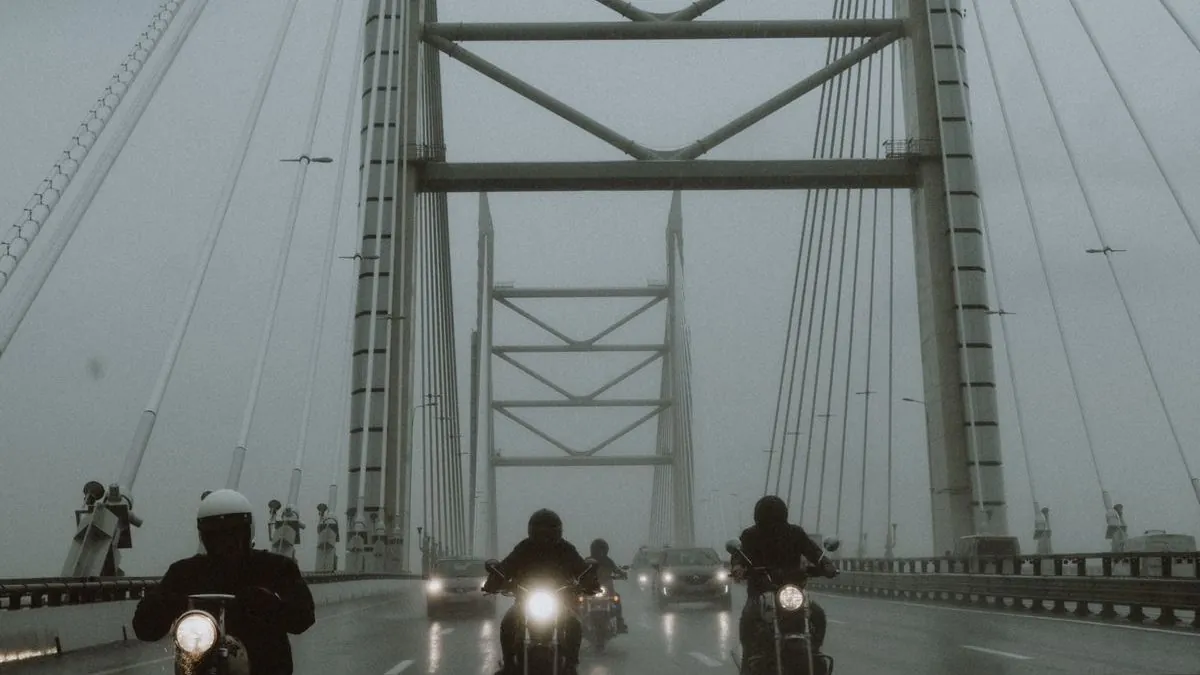
I had to make one of the harder calls of my riding season this week. A 3-day group ride leaving Friday — amazing roads, new people, three days of pure riding freedom — and I had to cancel. Not because of weather, not because of the bike, but because my body wasn't ready.
About a month ago I ate something that didn't agree with me. I have celiac disease, and gluten cross-contamination triggered a full systemic inflammatory response. Both feet, both ankles, both knees — swollen and painful enough to leave me bedridden for over two weeks. A full month into recovery, I'm just now able to bear weight normally again.
As much as I wanted to go — and I really, genuinely wanted to go — I wasn't even close to 100%. And that made the decision for me.
Why This Is a Safety Article, Not Just a Health Update
I've been riding for a long time. Over 200,000 km (124,000 miles) across multiple bikes and decades of touring. And one of the clearest lessons that distance teaches you is this: most serious incidents don't happen because riders are bad riders. They happen when something — fatigue, distraction, illness, stress — takes the edge off the focus and physical ability you need to react in a split second.
Riding a motorcycle is a full-body, full-mind activity. You need:
- Grip strength — to hold the bars firmly through bumps, gusts, and emergency braking.
- Foot and ankle control — for gear changes, braking, and putting a foot down confidently at stops. Especially critical on a 937 lb touring bike.
- Reaction time — the kind that only exists when you're fully rested and pain-free.
- Mental focus — not the kind you fake through gritted teeth, but genuine, sustained attention for hours at a time.
In my case, both ankles and knees were compromised. Putting a foot down at a stop sign — something you do dozens of times every hour — would have been a real risk. A slow-speed tip at a fuel stop. A sudden road hazard requiring a hard stop. These are the moments where "I felt okay enough" stops being good enough.
The Group Ride Dimension
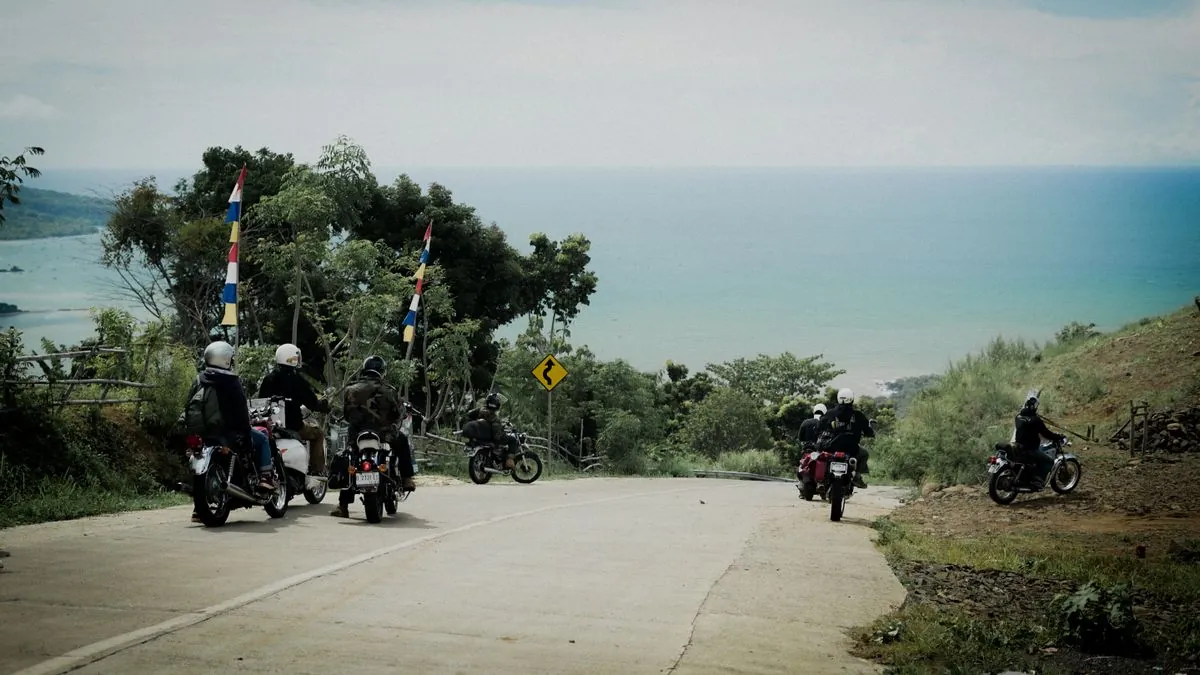
Solo riding when you're not 100% is one thing — it's a risk you're taking with yourself. But this was a group ride with people I'd never ridden with before, met through a local motorcycle Facebook group. That changes the equation entirely.
In a group, your reactions affect everyone around you. If I brake unexpectedly, the rider behind me needs to react to that. If I go down on a remote stretch of Cape Breton highway, that's now a situation involving multiple people, a potential rescue, and a ruined trip for everyone who came out to enjoy their weekend.
Cancelling wasn't just the right call for me — it was the right call for them too.
What Celiac Disease Actually Does to Your Body
I don't talk about this a lot, but it's worth explaining because celiac is widely misunderstood — even by people who think they know what it is.
Celiac disease is not a food sensitivity or a preference. It's an autoimmune condition. When someone with celiac ingests gluten — even trace amounts from cross-contamination — the immune system triggers an inflammatory response that can affect virtually any system in the body. For me, that response hit my joints hard. Both feet, both ankles, both knees — severe inflammation that left me unable to walk for over two weeks.
One month later, I'm just now starting to move normally. The damage from a single exposure can take weeks or months to fully resolve. It's not dramatic-looking from the outside, but the functional impact is real and significant.
For anyone else riding with an autoimmune condition: please take it seriously when your body is in a flare. The roads will still be there when you're better.
The Honest Self-Assessment Every Rider Needs
Before any ride — especially a long one — ask yourself these questions honestly. Not optimistically. Honestly.
- Can I perform a full emergency stop without pain or hesitation?
- Can I hold the bars firmly for 6-8 hours, including through unexpected road surfaces?
- Am I on any medication that affects alertness or reaction time?
- Have I slept properly? Am I well-hydrated and fed?
- Is there any physical issue — even a minor one — that would slow my reactions or reduce my control?
If any answer is "maybe," that's a no. Riding on a maybe is where the statistics live.
It's Okay to Miss a Ride
This one stings a little, I'll be honest. I've been looking forward to getting out with a new group, hitting some incredible roads, and having a proper multi-day adventure. It was going to be the first real group ride on the Pursuit. And instead I'm home, recovering, writing this.
But I've ridden enough to know that the rides I regret are never the ones I skipped. The ones I regret are the ones I shouldn't have taken — when I was tired, when I pushed through discomfort, when I let enthusiasm overrule judgement.
There will be other rides. The Cabot Trail isn't going anywhere. The season isn't over. And when I do go, I'll be 100% — and the ride will be better for it.
Recovery first. Everything else second.
Frequently Asked Questions
Is it safe to ride a motorcycle when you're sick or injured?
No. Riding requires full physical and cognitive function — reaction time, grip strength, balance, and sustained focus. Any illness or injury that compromises even one of those increases risk significantly. The right call is always to wait until you're fully recovered.
How do you know when you're not fit to ride?
Ask yourself honestly: can I perform an emergency stop, hold the bars firmly through a pothole, and stay fully alert for the entire ride? If the answer to any of those is "maybe," that's your answer. Don't ride.
What is celiac disease and how can it affect motorcyclists?
Celiac disease is an autoimmune condition triggered by gluten. An accidental exposure can cause severe systemic inflammation including joints and extremities. For riders, this can mean impaired grip, reduced foot and ankle control, and fatigue — all of which make operating a motorcycle genuinely dangerous.