Should You Buy an Electric Motorcycle in 2026? The Real Pros and Cons
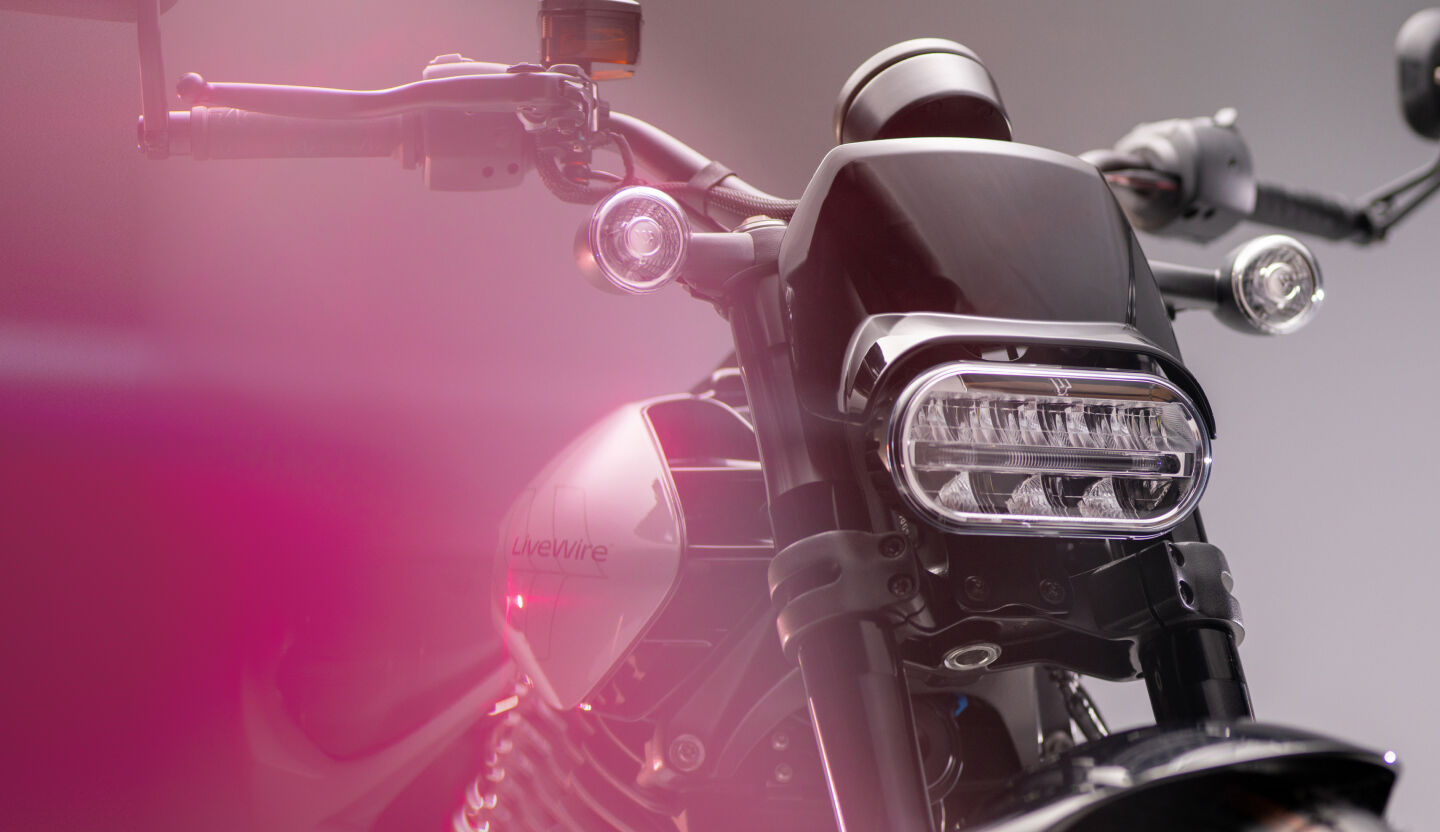
Image: Property of LiveWire EV LLC
Electric motorcycles have improved dramatically, and prices are dropping. The LiveWire S2 Del Mar just hit $9,999. But range anxiety, charging infrastructure, and upfront cost are still real barriers. Here is the honest breakdown of whether an electric motorcycle makes sense for you in 2026.
Table of Contents
The Case For Electric
Electric motorcycles do several things genuinely better than gas bikes:
- Instant torque. The Zero SR/F delivers 190 Nm of torque the moment you twist the throttle. No clutch, no gear, no waiting for RPM to climb. The acceleration is addictive. The LiveWire S2 Del Mar puts out 194 lb-ft of torque and hits 60 mph in 3.0 seconds.
- Silence. No exhaust noise means no noise complaints, no ear fatigue on long rides, and the ability to ride in noise-restricted areas. You also hear the world around you — tire grip, road surface, wind — which gives you information a loud bike drowns out.
- Low operating costs. Charging a motorcycle battery costs roughly $2-3 for a full charge, compared to $15-25 to fill a gas tank. Over a year of daily riding, that saves hundreds of dollars. Maintenance is also minimal — no oil changes, no valve adjustments, no clutch replacements.
- Simplicity. No gears, no clutch, no warm-up. You twist and go. For new riders, this removes a significant barrier to learning.
- It is genuinely fun. The combination of instant torque, silence, and smooth power delivery creates a riding experience that is different from anything gas-powered, and for some riders, it is better.
The Case Against Electric
But here is what the marketing does not tell you:
- Range is still the problem. The Zero SR/F has a city range of 176 miles (283 km), but highway range drops to about 100 miles (161 km) at steady 89 km/h. On my Indian Pursuit, I get about 390 km (242 miles) per tank and fill up in 5 minutes. The electric bike needs hours to recharge.
- Charging infrastructure is not there yet. EV charging stations are designed for cars, not motorcycles. Many stations have cables that are too short or mounted too high for a bike. DC fast charging, when available, can get you to 80% in under an hour, but finding a compatible station on your route is a gamble.
- Upfront cost is high. Even with the LiveWire S2 Del Mar dropping to $9,999 on promotion (normally $15,499), that is still more than a Kawasaki Ninja 400 ($5,299) or a Honda CB500F ($7,199). The Zero SR/F at $20,495 is competing with mid-size sport-touring bikes that have triple the range.
- Touring is not practical. If you ride multi-day trips — which many motorcycle owners do — the electric bike becomes a liability. You cannot just stop at a gas station and fill up in 5 minutes. Every stop is a minimum 30-60 minute charging session, and that is only if you find a compatible charger.
- Cold weather kills range. Lithium-ion batteries lose 20-40% of their range in cold temperatures. If you ride in Canadian winters, your 176-mile range becomes 100-140 miles (160-225 km). Gas bikes do not have this problem.
What You Can Actually Buy
Electric Motorcycles Available in 2026
The LiveWire S2 Del Mar at $9,999 is the first electric motorcycle that is priced competitively with gas alternatives. With 84 hp and 194 lb-ft of torque, it has the performance of a 650cc middleweight. The 113-mile (182 km) city range is limited but adequate for commuting.
The Zero SR/F is the performance leader, with 82 kW (110 hp) and 190 Nm of torque. At $20,495, it is expensive, but it offers the best range and charging network compatibility of the group.
The Real Cost Comparison
| Bike | Price | Est. Annual Fuel/Elec | Est. Annual Maint. |
|---|---|---|---|
| LiveWire S2 Del Mar | $9,999 | $150 (electricity) | $200 |
| Kawasaki Ninja 650 | $7,999 | $600 (gas) | $500 |
| Zero SR/F | $20,495 | $200 (electricity) | $200 |
| Honda CB650R | $9,499 | $700 (gas) | $500 |
Over five years, the LiveWire saves roughly $3,500 in fuel and maintenance compared to a Ninja 650. That nearly eliminates the $2,000 price premium. The Zero SR/F, however, costs $10,000 more than a CB650R upfront, and the fuel savings do not close that gap for 10+ years.
The economics work best at the entry level. The LiveWire S2 Del Mar at $9,999 is the first electric motorcycle where the total cost of ownership actually beats a comparable gas bike within a reasonable timeframe.
Charging Reality Check
Here is what charging actually looks like in practice:
- Level 1 (household outlet): 8-12 hours for a full charge. Overnight charging only.
- Level 2 (240V, like an EV charger): 4-8 hours. This is what most owners use at home.
- DC fast charging: 30-60 minutes to 80%. Available on the Zero SR/F and Energica, but station availability is limited for motorcycles.
If you have a garage with a 240V outlet, home charging is straightforward. You plug in when you get home, and the bike is full by morning. It is like charging a phone. But if you live in an apartment or rely on public charging, it is significantly harder than charging an electric car because most public chargers are not designed for motorcycle form factors.
Who Should and Should Not Buy
Buy an electric motorcycle if:
- You commute daily and can charge at home
- Your rides are typically under 100 miles (160 km)
- You want the lowest possible operating cost
- You enjoy the instant-torque, silent riding experience
- You are a new rider who wants simplicity (no gears, no clutch)
Do not buy an electric motorcycle if:
- You ride multi-day touring trips (like I do — 200,000+ km lifetime, 28 states)
- You do not have home charging access
- You ride in cold weather regularly
- You need a bike that can refuel in 5 minutes on a road trip
- Your rides regularly exceed 100 miles (160 km) in a day
The Bottom Line
Electric motorcycles are ready for commuters. They are not ready for tourers. If your riding is local and you can charge at home, the LiveWire S2 Del Mar at $9,999 is genuinely competitive with gas alternatives, and the riding experience is excellent.
But if you are someone who rides across provinces, takes multi-day trips, or covers 300+ km in a day — which describes a lot of motorcyclists — the range and charging limitations are dealbreakers. My Indian Pursuit can cross New Brunswick on a single tank and fill up in 5 minutes. No electric motorcycle can do that yet.
The technology is improving fast. By 2028, I expect range to double and charging times to halve. But in 2026, electric motorcycles are a great second bike for commuting and local fun rides, not a replacement for a gas-powered touring bike.