In This Article
Is a Budget 3D Printer Worth It in 2026? What Nobody Tells You Before You Buy
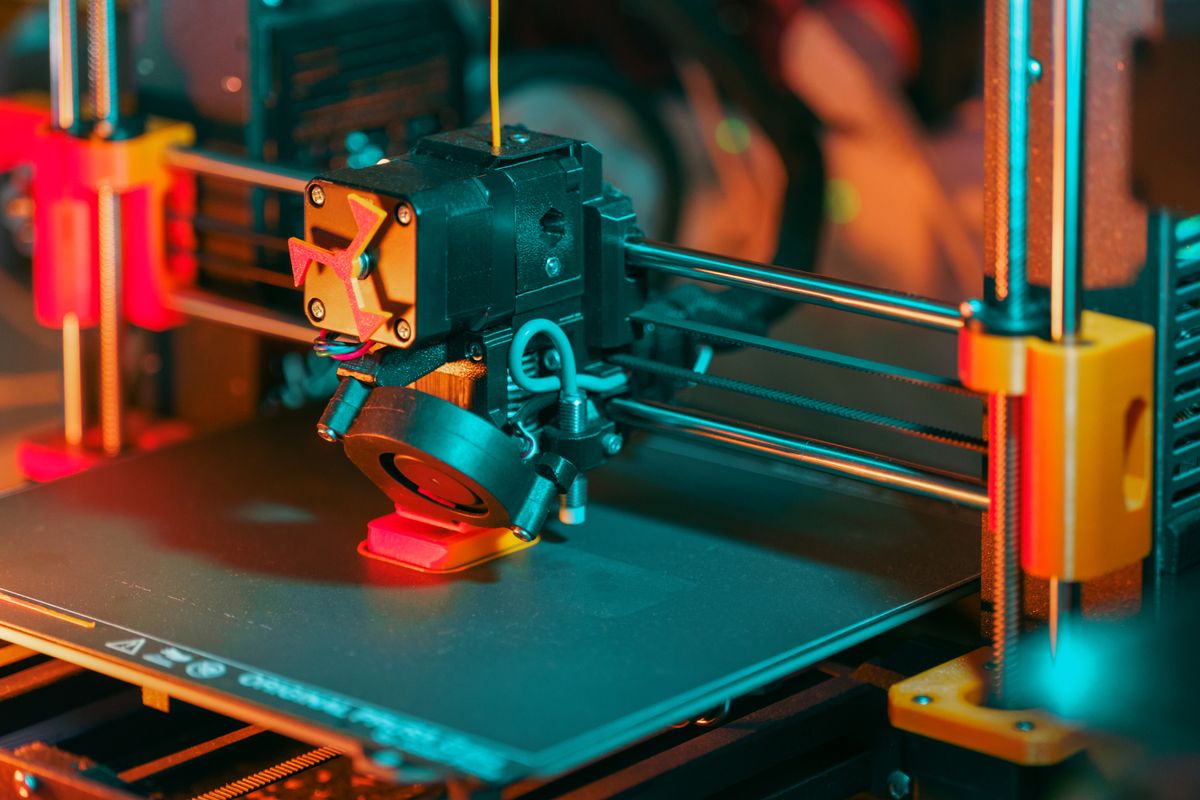
Photo by Jakub Zerdzicki via Pexels
Budget 3D printers have genuinely never been better. Machines like the Bambu A1 and Creality Ender 3 V3 have brought capable, reliable printing to anyone willing to spend $200-400 — and that's remarkable compared to where this hobby was even three years ago. But there's still a gap between what YouTube review videos show you and what actually happens after the camera stops rolling.
Here's the honest breakdown of what you're getting into before you pull the trigger.
What Budget 3D Printers Are Actually Good At Now
The Bambu ecosystem in particular has solved a lot of the historical pain points with desktop FDM printing. Auto-calibration, enclosed chambers, a decent slicer that actually works — if you buy a Bambu A1 or A1 Mini and just want to print stuff without becoming a technician, you mostly can. The out-of-box experience is dramatically better than what you got from budget printers even two years ago.
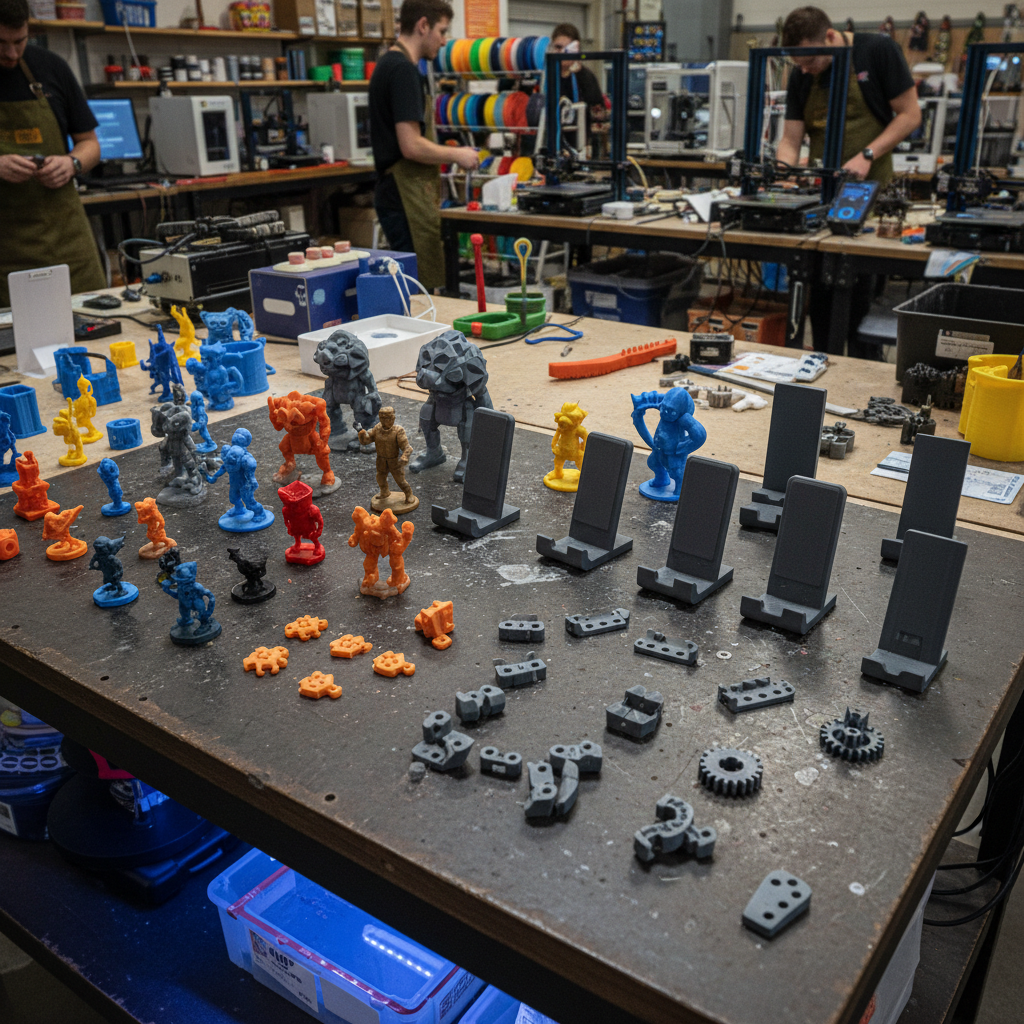
For making practical household items, replacement parts, mounts, organizers, cases and creative projects, a modern budget printer is genuinely excellent and will pay for itself quickly if you use it regularly.
What Nobody Tells You
Bed adhesion is still a real issue. Even with textured PEI plates, first layer adhesion can be finicky — especially with PETG, ABS or TPU. Products like the BIQU CryoGrip Pro exist specifically because this is an ongoing frustration for A1 owners. Expect to spend time learning how to get first layers right.
Filament quality matters a lot. A $30 spool of no-name PLA will print very differently from a $28 spool of Bambu or Polymaker PLA. Inconsistent diameter, moisture absorption and dodgy colour mixing all cause failed prints. Budget filament often costs you more in wasted prints than you saved buying it.
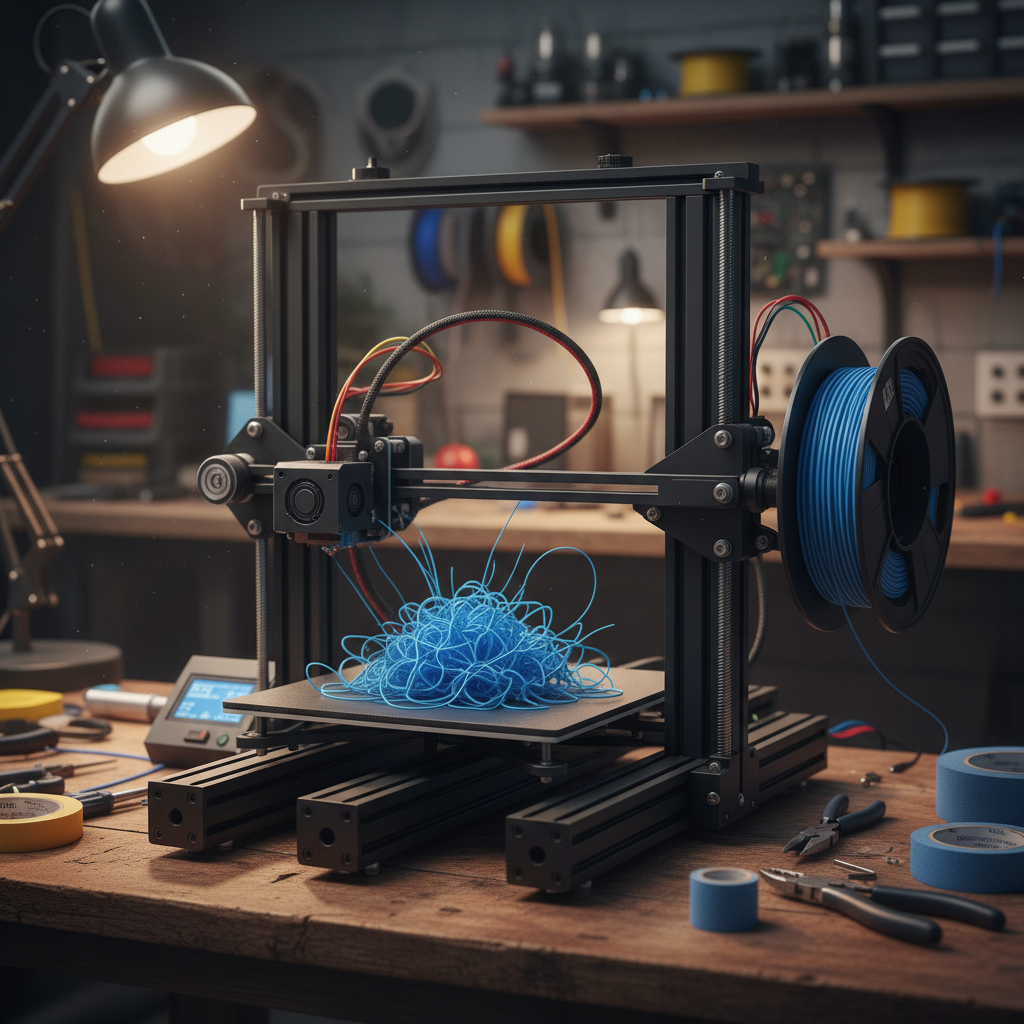
You will fail prints. Not occasionally — regularly, especially early on. A print that takes 8 hours can fail at hour 7. This is part of the hobby. If that will drive you crazy, 3D printing will drive you crazy.
It takes up space. Even a compact A1 Mini needs a dedicated area. And filament spools stack up fast. Budget for storage.
🎯 The honest question to ask yourself: Do you have specific things you want to print? If yes, a budget printer is probably worth it. If you're buying one hoping inspiration will strike after, it might collect dust after the novelty wears off.
Which Budget Printer to Buy in 2026
- Bambu A1 Mini (~$300): Best out-of-box experience, easiest to get consistent results. Best pick for beginners who don't want to tinker.
- Bambu A1 (~$420): Larger print volume, worth it if you plan to print bigger objects. AMS Lite multicolour support is a genuine differentiator.
- Creality Ender 3 V3 (~$230): More tinkering required, but a huge community and enormous mod ecosystem. Good if you enjoy the technical side of the hobby.
The Bottom Line
If you have specific things you want to make and you're okay with a learning curve, a budget 3D printer in 2026 is absolutely worth it. The Bambu A1 Mini in particular has lowered the barrier to entry to the point where a casual user can get genuinely good results without becoming an expert. Just go in with realistic expectations — it's a hobby, not a plug-and-play appliance. And buy decent filament from day one.
Watch the Bambu A1 Bed Adhesion Video on YouTube →