Hover Air Pro vs Antigravity A1: Which Self-Flying Drone Wins for Creators?
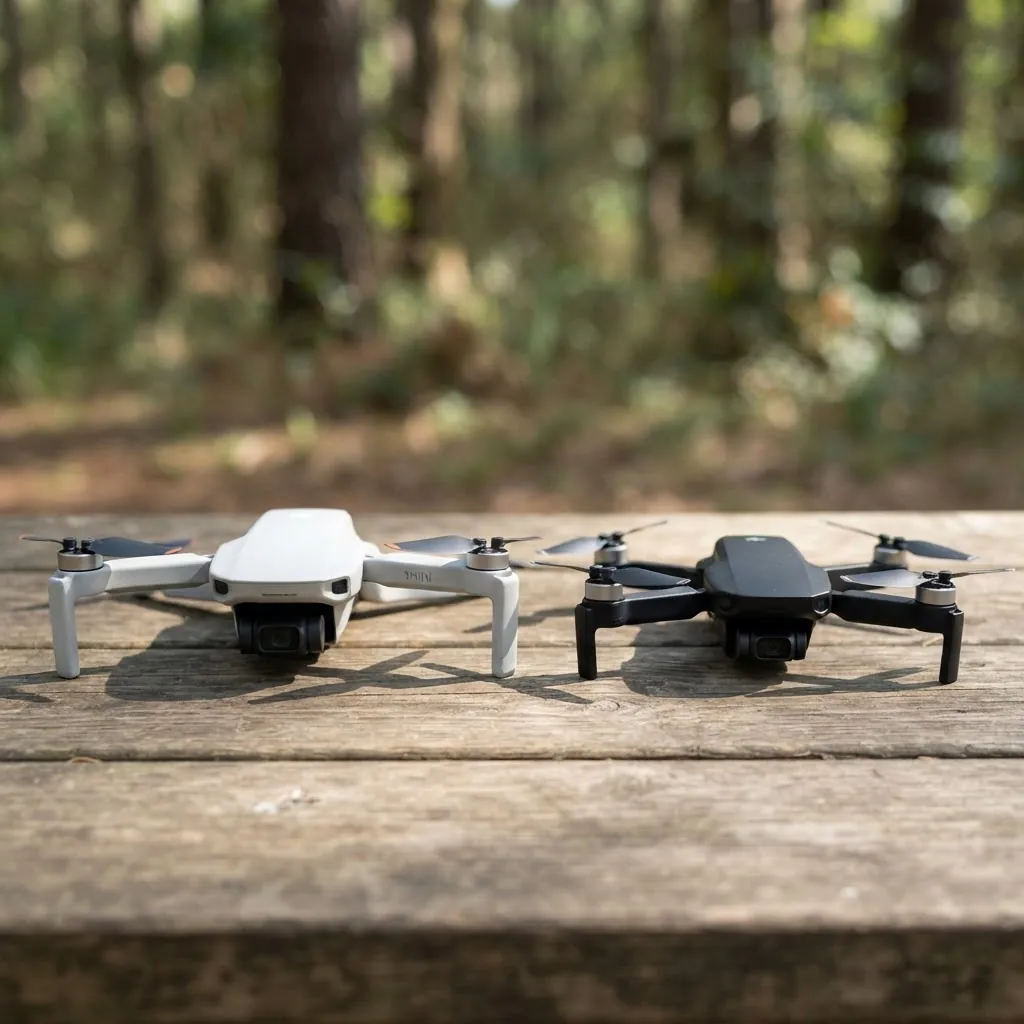
I own both the Hover Air Pro and the Antigravity A1. They're in the same general category — compact, sub-250g, designed for solo creators — but they approach the problem very differently. After using both on motorcycle tours and in everyday content creation, here's the honest breakdown.
The Core Difference
The Hover Air Pro is a palm-sized, controller-free drone built around autonomous follow and orbit shots. It launches from your hand, tracks you, and lands back in your palm. It's the closest thing to a flying camera assistant. The Antigravity A1 is a more traditional folding drone with a controller, longer flight time, and a 360-degree camera that captures everything at once for flexible reframing in post.
Table of Contents
Neither is universally better. They're built for different use cases — and knowing which one fits your workflow is what matters.
Specs at a Glance
| Feature | Hover Air Pro | Antigravity A1 |
|---|---|---|
| Weight | ~135g | 249g |
| Camera | 4K/60fps standard | 8K 360-degree |
| Flight Time | ~11 min | ~18-20 min |
| Controller | None (phone/hand) | Included |
| Wind Resistance | Moderate | Good |
| Autonomous Modes | Excellent (follow, orbit, hover) | Basic |
| Registration Required (CA) | No | No |
Footage Quality
The Hover Air Pro shoots clean 4K/60fps forward-facing footage. It's smooth and sharp for a drone this small, and the electronic stabilization handles minor wind well. It's genuinely impressive for a 135g device.
The Antigravity A1 shoots 8K 360 — which sounds like a spec sheet win, but the real advantage is reframing flexibility. You shoot everything and decide the angle in post. On a motorcycle trip, that means one flight captures a forward shot, side shot, and top-down look all from the same clip. For YouTube touring content, that's extremely useful.
For Solo Motorcycle Riders — Hover Air Pro Wins
If you're riding solo and want action footage of yourself on the bike — the Hover Air Pro is the better pick. Its follow mode tracks and films you autonomously. You launch it, ride, it follows, you land it. No second rider needed. The A1 requires you to frame manually and it won't follow you independently in the same seamless way.
For Scenic Touring Shots — Antigravity A1 Wins
For landscape, road, and destination footage — the A1 is stronger. Longer flight time means more coverage per battery. 360 capture means one pass gets multiple angles. And in windier conditions (which Canadian touring regularly produces), the A1 holds steadier.
Portability
The Hover Air Pro is genuinely pocketable — jacket pocket small. The A1 is saddlebag small. Both are realistic for motorcycle touring without a dedicated drone bag. The Hover Air Pro wins on raw packability; the A1 wins on footage output per session.
The Raw Fun Factor: Why the A1 Wins on a Ride Stop
Here's something the spec sheet doesn't capture — the pure joy of pulling the A1 out at a fuel stop or a scenic pull-off and just launching it. You've been riding for three hours, you stop at a lookout over a lake or a valley, and within two minutes you've got a drone 100 metres up giving you a bird's eye view of the road you just came from and the terrain ahead. It's addictive in the best way.
That scouting capability is genuinely useful too. On the ECIC trip the A1 was used at stops to get a read on what the road ahead looked like — you can see curves, elevation changes, and whether there's construction or traffic before you're in it. On unfamiliar routes through areas like the Algonquin corridor, that kind of preview is actually helpful, not just cool.
The Hover Air Pro is great at following you. The A1 is great at showing you the world from above. And when you're stopped somewhere worth stopping, the A1 in the air opens up possibilities the Hover Air Pro simply can't match — 360 coverage, altitude, range, and the freedom to explore the landscape without moving the bike. Every time I fly it I find a shot or a perspective I wasn't expecting. That exploratory quality is hard to put a number on, but it's real.
Frequently Asked Questions
Hover Air Pro vs Antigravity A1 — which drone is better?
The Hover Air Pro is better for quick, social-media-ready content with its compact folding design and simple controls. The Antigravity A1 is better for immersive FPV flying with 360-degree cameras and goggles. The Hover Air Pro is more portable, the Antigravity A1 is more versatile for creative footage.
Do the Hover Air Pro and Antigravity A1 require registration?
Both drones weigh under 250 grams, which means they do not require registration in Canada or the United States. You still need to follow basic drone safety rules including maintaining visual line of sight and flying below 122m (400ft).
Which drone is better for motorcycle travel?
The Hover Air Pro is better for motorcycle travel because it folds compactly and is easy to deploy quickly at stops. The Antigravity A1 requires more setup time with goggles and controller but delivers more immersive footage. For a trip where you want to capture quick shots, the Hover Air Pro is more practical.
Can either drone shoot 360-degree video?
The Antigravity A1 has dual 360-degree cameras for full immersive footage. The Hover Air Pro has a traditional forward-facing camera. If 360-degree capture is important to you, the Antigravity A1 is the clear choice.