Google Pixel 11 Pro Buyer's Guide: What Actually Matters in 2026
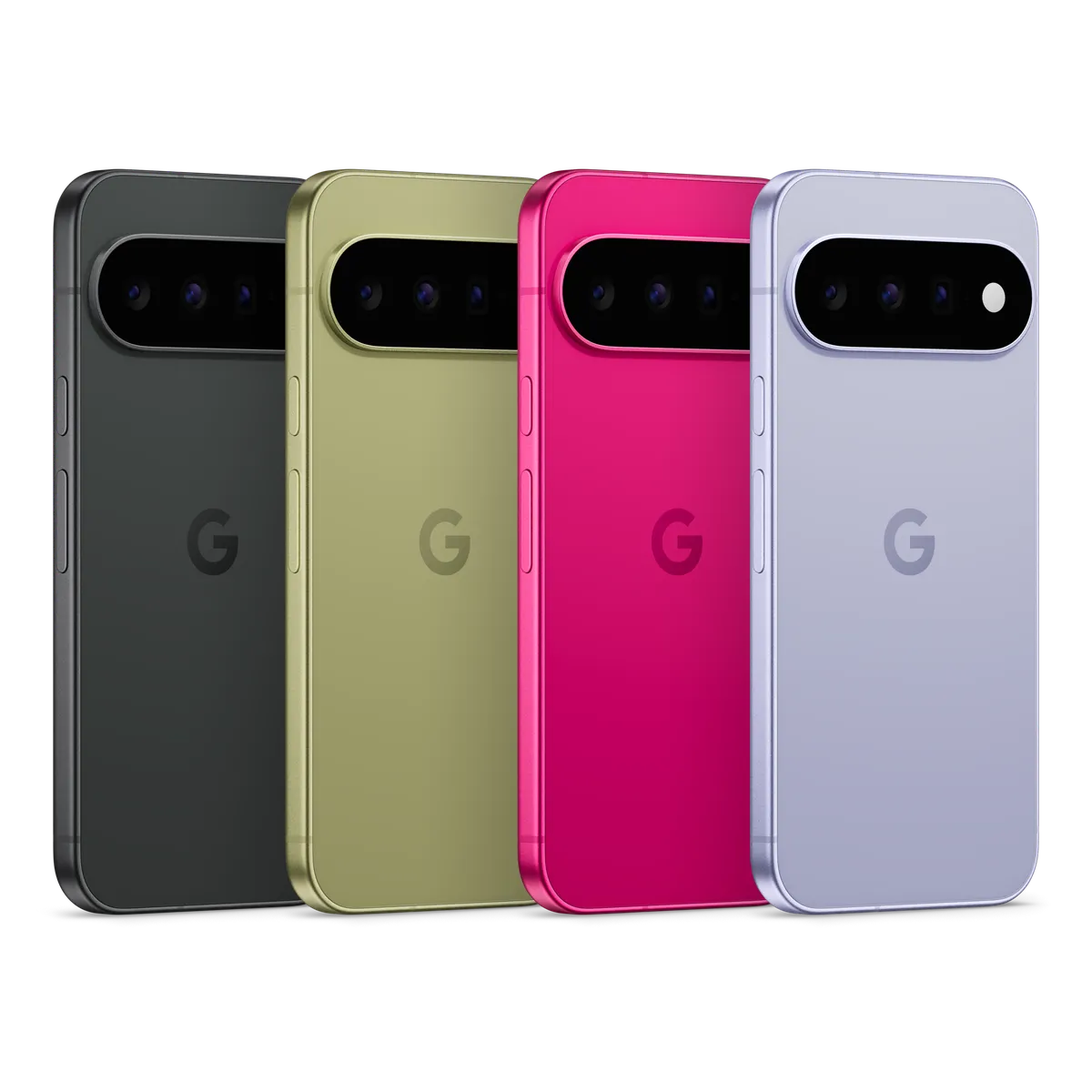
Image: Property of Google
The Pixel 11 Pro has been shipping for over a week now. The launch event hype has faded, the pre-orders have arrived, and real people are using these phones every day. Here is what actually matters when deciding whether to buy one.
Table of Contents
Pricing: What You Will Actually Pay
Google announced the Pixel 11 family on August 12, 2026, and the phones are now available at the Google Store and through Canadian carriers including Bell, Rogers, and Freedom Mobile.
Here is the confirmed pricing:
Pixel 11 Family Pricing
That is a $150 CAD increase on the Pixel 11 Pro compared to the Pixel 10 Pro launch price. Google discontinued the 128GB storage tier entirely, so the cheapest entry point is higher than last year.
If you are buying through a carrier, Bell lists the Pixel 11 Pro full device price at CA$1,755, but financing plans bring it down to roughly $31/month over 24 months. Freedom Mobile and Rogers are offering $0 down plans with eligible trade-ins. Google is also offering up to CA$800 back with eligible trade-in on the Google Store.
Tensor G6: The Real Upgrade
The Tensor G6 is the most meaningful change in the Pixel 11 Pro. Built on a 2nm process, Google claims roughly 20% better power efficiency over the Tensor G5 in the Pixel 10 Pro. That translates directly to battery life, which we will get to.
The chip also includes a new MediaTek M90 modem, which should improve cellular reception and data speeds, particularly in areas with weak signal. For anyone who struggled with connectivity on earlier Pixels, this is worth paying attention to.
In everyday use, the Tensor G6 is fast. App launches are snappy, the camera processes HDR shots quickly, and the phone handles multitasking without noticeable lag. But if you are coming from a Pixel 10 Pro, you will not feel a dramatic speed difference. The improvements are in efficiency, not raw benchmark numbers.
Camera: What Changed, What Did Not
The Pixel 11 Pro keeps the triple rear camera layout but with a new main sensor:
- 48 MP wide with Macro Focus (new sensor, improved low-light)
- 13 MP ultrawide with autofocus
- 10.8 MP telephoto with 5x optical zoom and up to 20x digital
- 10.5 MP front camera with autofocus and 95-degree ultrawide
The headline feature is Magic Capture, which uses Gemini Intelligence to automatically detect what you are shooting and adjust settings in real time. In practice, it means the camera is better at deciding when to use Night Sight, when to switch to macro, and when to apply HDR. It works well most of the time, but it is an enhancement to existing capabilities, not a revolution.
What has not changed: the telephoto is still 5x optical, the ultrawide is still 13 MP, and video tops out at 8K. If you were hoping for a bigger zoom reach or higher resolution ultrawide, the Pixel 11 Pro does not deliver.
Battery Life: 30 Hours Is Real
Google claims up to 30 hours of battery life on the Pixel 11 Pro. The 4,985 mAh battery combined with the more efficient Tensor G6 chip is the reason this number moved up from last year.
In real-world usage, the 30-hour claim holds up for light-to-moderate use. If you are streaming video, using GPS navigation, and taking lots of photos, expect closer to 18-20 hours. Still, that is a genuine improvement over the Pixel 10 Pro, which typically delivered 22-24 hours under similar conditions.
The phone supports 25W wireless charging and faster wired charging than the Pixel 10 Pro, though Google still does not include a charger in the box.
Design and Display: HiLight and Beyond
The most visible design change is the HiLight LED cluster on the back of the Pro models. This circular arrangement of LEDs replaces the temperature sensor from the Pixel 9 and 10 series. It glows when Gemini is listening, pulses for notifications, and can display custom colors and patterns.
The idea is to keep you off the screen by giving you glanceable status information. Whether that is actually useful or just a gimmick depends on how you use your phone. If you get a lot of notifications, it is a nice touch. If you keep your phone on silent most of the time, you may forget it exists.
The display is a 6.3-inch OLED panel with a peak brightness of 3,600 nits on the Pro models. That is extremely bright, easily readable in direct sunlight. The glass is Gorilla Glass Victus 2, which Google claims is 2x more scratch-resistant than the previous generation.
Google also made a big deal about sustainability. The aluminum housing is 100% recycled, the battery uses 100% recycled cobalt and lithium, and the packaging is plastic-free. These are meaningful changes, even if they do not affect how the phone performs.
Should You Upgrade?
| Coming from | Verdict |
|---|---|
| Pixel 9 Pro or older | Yes. The Tensor G6, camera improvements, battery life, and brighter display are a significant jump. |
| Pixel 10 Pro | Wait. The improvements are real but iterative. The $150 CAD price increase and loss of 128GB option make it harder to justify unless your current phone is struggling. |
| iPhone or Samsung | Maybe. If you are drawn to Gemini Intelligence and the camera experience, the Pixel 11 Pro is competitive. But the ecosystem switch is the bigger decision, not the phone itself. |
| No phone or upgrading from a budget device | Yes. The Pixel 11 Pro is a top-tier flagship that will last 7 years of Android updates. |