Smart Home Battery Solutions: Rechargeables vs Disposables
Photo by Andrey Matveev via Pexels
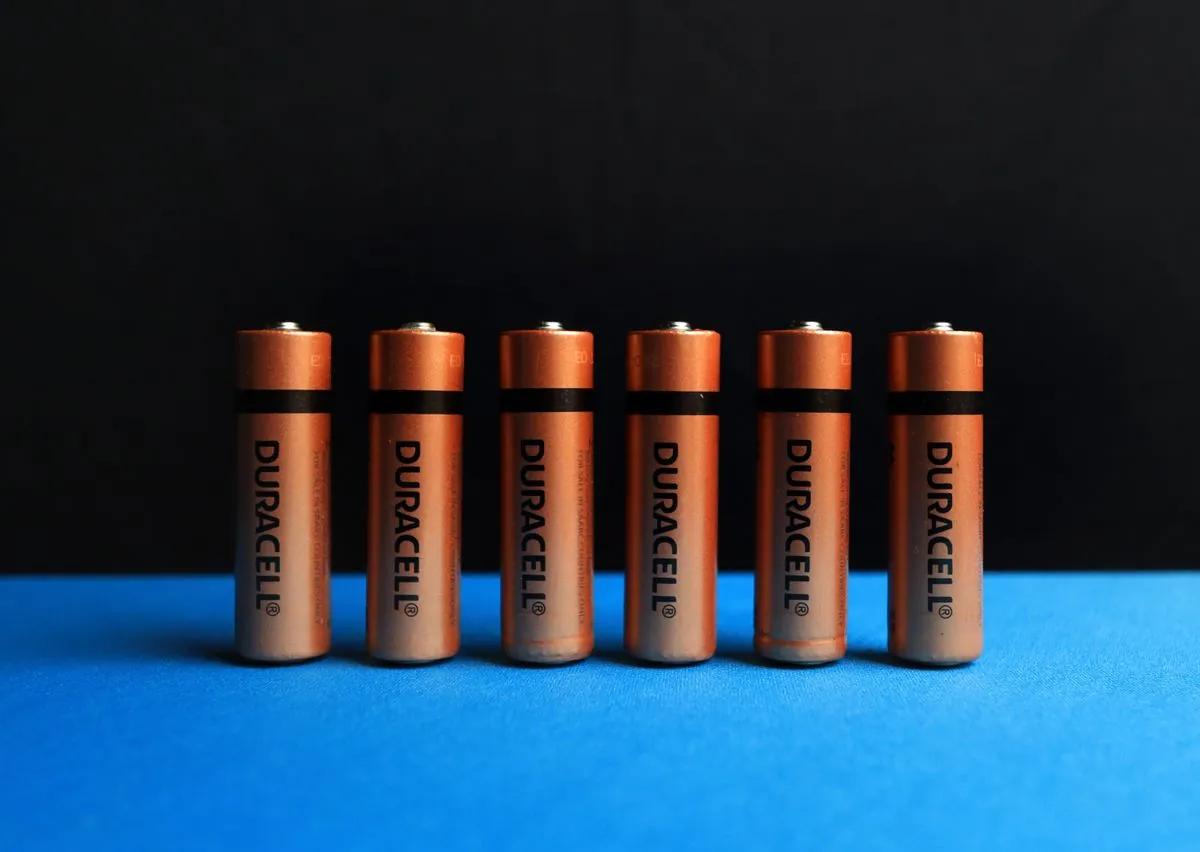
If you have a smart home setup — smart speakers, door locks, motion sensors, wireless remotes — you probably have a drawer full of AA and AAA batteries. Most people buy disposables, use them once, and throw them out. It's convenient. It's also bleeding money.
Table of Contents
The economics of rechargeable batteries aren't what they were ten years ago. Modern high-capacity rechargeables and smart chargers have completely changed the math. If you haven't reconsidered this in a while, it's time to.
The Real Cost Comparison
Let's do actual math. A quality Energizer or Duracell disposable AA battery costs about $0.40 at bulk prices. A premium rechargeable Eneloop or Fujitsu costs about $3–4 upfront, but holds its charge for years — that's the key part — and can be recharged 2,000+ times.
Cost per use:
- Disposable: $0.40 per battery, one use = $0.40 per cycle
- Rechargeable: $3.50 ÷ 2,000 cycles = $0.0017 per cycle
The rechargeable wins by a factor of 200. Even accounting for a good smart charger (around $25–50), you break even after about 70 battery recharges — which might take you three to six months if you have a typical smart home setup.
Why Smart Chargers Actually Matter
Not all chargers are equal. A basic dumb charger that pumps current through all four slots at the same rate will eventually damage batteries and create safety risks — batteries can overheat, lose capacity quickly, or fail unpredictably.
A smart charger like the XTAR L8 PRO monitors individual battery chemistry and charge level per slot. It can detect a dead battery and skip it. It can charge NiMH, NiCd, and even some Li-ion batteries safely. It charges faster (each slot independently) without damaging the battery's lifespan.
The difference in battery longevity is real. A quality smart charger adds maybe $25 to your setup cost upfront, but extends the useful life of your batteries by 3–4x. That math is easy.
Which Batteries to Buy
You don't need to buy the absolute premium option. Here's what actually matters:
- Capacity: For smart home devices (low-drain), 1900–2100 mAh is plenty. For higher-drain devices (cameras, flashlights), aim for 2400+ mAh.
- Charge hold: Premium rechargeables (Eneloop, Fujitsu) hold their charge for years. Budget brands lose 20% per month sitting in a drawer. This matters for smart home devices where you're not cycling them constantly.
- Chemistry: NiMH (nickel-metal hydride) is the standard. New Li-ion rechargeables exist but cost more and require compatible chargers.
Budget recommendation: Buy Fujitsu or Eneloop batteries (both sub-$3 per battery) and a mid-range smart charger like the XTAR L8 PRO ($30–40). You'll recoup the cost in eight months and then save $20–30 per year indefinitely.
The Environmental Piece
Disposable batteries are an environmental problem. They end up in landfills or incinerators where the mercury, zinc, and manganese contaminate soil and water. Rechargeable batteries, used for years, dramatically reduce the raw material and waste footprint per device powered.
If environmental impact matters to you, rechargeables aren't optional — they're the right choice. But even if it doesn't, the economics push you in that direction anyway.
Frequently Asked Questions
What are the best battery backup solutions for a smart home?
UPS (Uninterruptible Power Supply) units protect smart home hubs and routers during outages. For larger coverage, a home battery system like the EcoFlow DELTA or Jackery Explorer keeps essential devices running for hours.
Do smart home devices need battery backup?
Smart home hubs, routers, and security cameras benefit most from battery backup. A power outage that kills your hub can disrupt all connected devices. A basic UPS ($80–150) is worth the investment.
What is the best portable power station for home backup?
The EcoFlow DELTA 2 and Jackery Explorer 1000 Plus are top picks for home backup power. Both offer 1kWh+ capacity, fast charging, and can run essential appliances during short outages.
Buy on Amazon
Affiliate Disclosure: As an Amazon Associate I earn from qualifying purchases. If you buy through these links, I may earn a small commission at no extra cost to you.