Harley-Davidson Q2 2026 Earnings: Revenue Up, Stock Down
Harley's Q2 2026 looks contradictory at first glance: revenue up 6%, guidance raised, retail sales growing — but EPS down 15% and operating margin compressed from 27% to 18.5%. Here's what's actually happening and why it matters for motorcycle buyers.
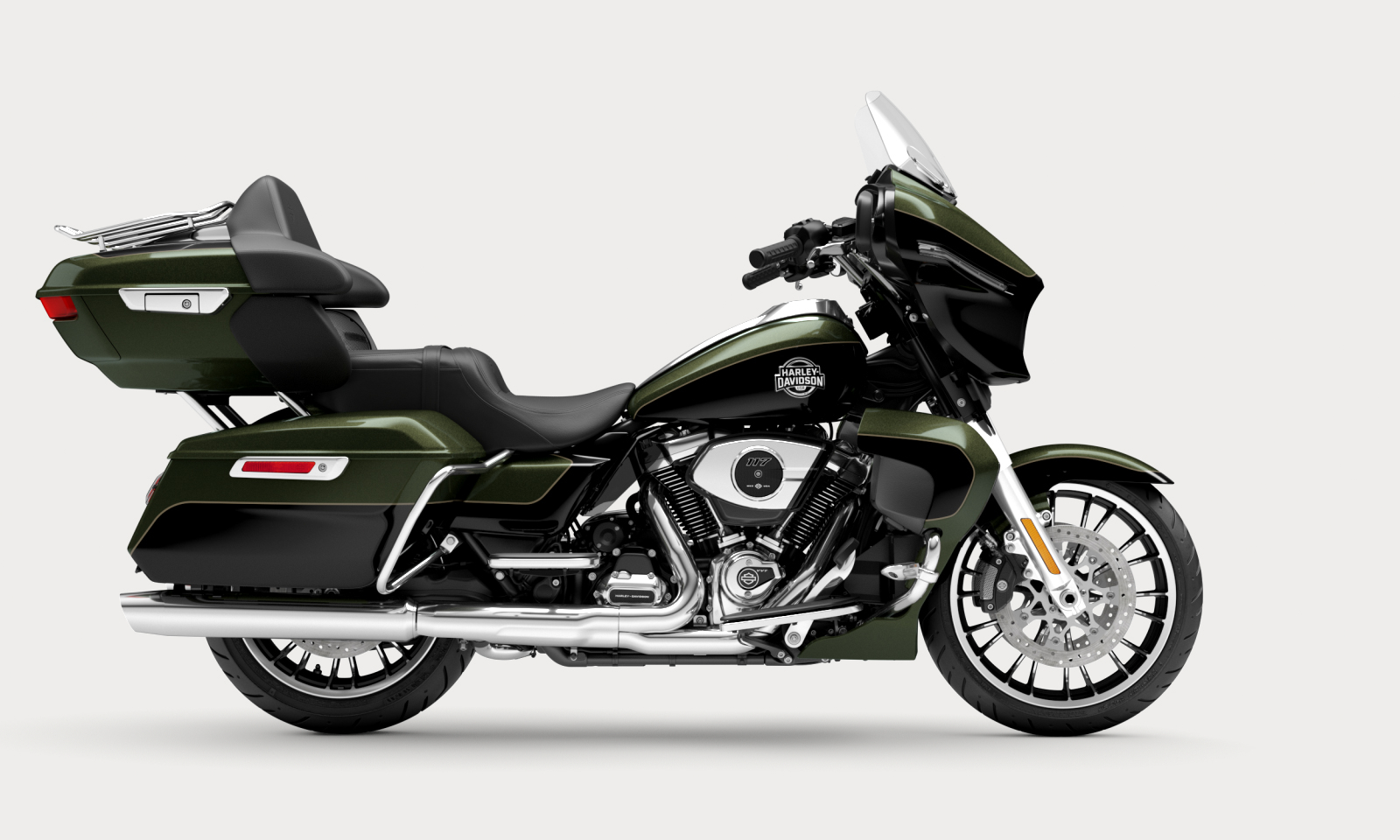
Image: Property of Harley-Davidson.
Table of Contents
Headline Numbers
Harley-Davidson reported its Q2 2026 results on July 23, 2026. The numbers tell a story of a company growing sales but facing profitability pressure:
| Metric | Q2 2026 | Q2 2025 | Change |
|---|---|---|---|
| Net Income | $79.81M | $107.57M | -25.8% |
| Diluted EPS | $0.75 | $0.88 | -15% |
| Operating Income | $72M | $61M | +18% |
| Operating Margin | 6.6% | N/A | Improved |
| HDMC Revenue | Up 6% | — | +6% |
| HDMC Op Income Margin | 18.5% | 27.1% | -8.6 pts |
Why Revenue Is Up But Profit Is Down
The most obvious question: how can revenue grow while profits shrink? The answer is margin compression. Harley is selling more motorcycles, but each one is less profitable than a year ago. The reasons:
- Tariff costs: Ongoing tariffs on imported components are squeezing margins on every bike
- Production transition expenses: Moving Revolution Max production back to the US requires capital investment
- Mix shift: More affordable models like the Super Glide ($15,999) may have thinner margins than CVO models
- Inflation: Materials and labor costs are up across the industry
This is a classic case of a company investing in the future at the expense of current profitability. The retail growth and raised guidance suggest management believes the margin pressure is temporary.
Retail Growth: What's Selling
The positive story is that Harley is actually selling more motorcycles. Retail growth continued in Q2, which means dealers are moving inventory — not just shipping to dealer lots. This is the healthiest indicator in the report.
Based on the 2026 model lineup, the models likely driving sales include the new Super Glide and Deadwood, along with the Road Glide and Street Glide which remain strong sellers. The CVO line continues to command premium prices despite (or because of) limited production.
The Revolution Max Production Shift
Harley announced it's returning Revolution Max production to US facilities in Pennsylvania and Wisconsin. This is significant because it affects Q2 costs (transition expenses) and future profitability (reduced shipping, potential tariff avoidance). The company expects to produce over 100,000 motorcycles at its York, Pennsylvania facility in 2027.
For riders, the production shift means the Pan America and Sportster S — both built on the Revolution Max platform — will eventually be "made in USA" again. Whether that affects quality (positively or negatively) remains to be seen.
Share Buybacks
Harley repurchased 1.3 million shares for $30 million in Q2, bringing cumulative buybacks to 7.9 million shares. This is standard capital allocation for a mature company, but it's worth noting that Harley is buying back shares while profits decline — which some investors view as returning capital before the turnaround is confirmed.
Full-Year Outlook: Guidance Raised
Despite the profit decline, Harley raised its full-year 2026 guidance based on Q2 performance. This signals confidence that:
- Retail growth will continue through H2
- Margin pressure may ease as production transitions complete
- The 2026 model lineup (Super Glide, Deadwood, Bagger World Cup buzz) will drive demand
What This Means for Riders
For Motorcycle Buyers
Pricing: Harley's margin pressure suggests prices may continue rising. If you're considering a Harley, current pricing may be better than 2027 pricing when production transition costs are fully absorbed.
Inventory: Retail growth means dealers are selling — inventory of popular models (Super Glide, Road Glide) may be tight.
Quality: The production shift to US could improve (or temporarily disrupt) quality on Revolution Max models. Wait for early reviews if buying a Pan America or Sportster S in late 2026.
For Harley Owners
The recall affecting 88,000+ motorcycles is separate from the earnings but worth noting. If you own a 2024-2026 FLTRX, FLHX, or other affected models, check your VIN with your dealer.
FAQ
Sources: Harley-Davidson Investor Relations (investor.harley-davidson.com, July 23, 2026), Yahoo Finance, MarketBeat, Investing.com, Finsee.ai. All financial data from Harley-Davidson's official Q2 2026 earnings release.