Insta360 X6 on a Motorcycle: Mounting, Wind Noise and Battery
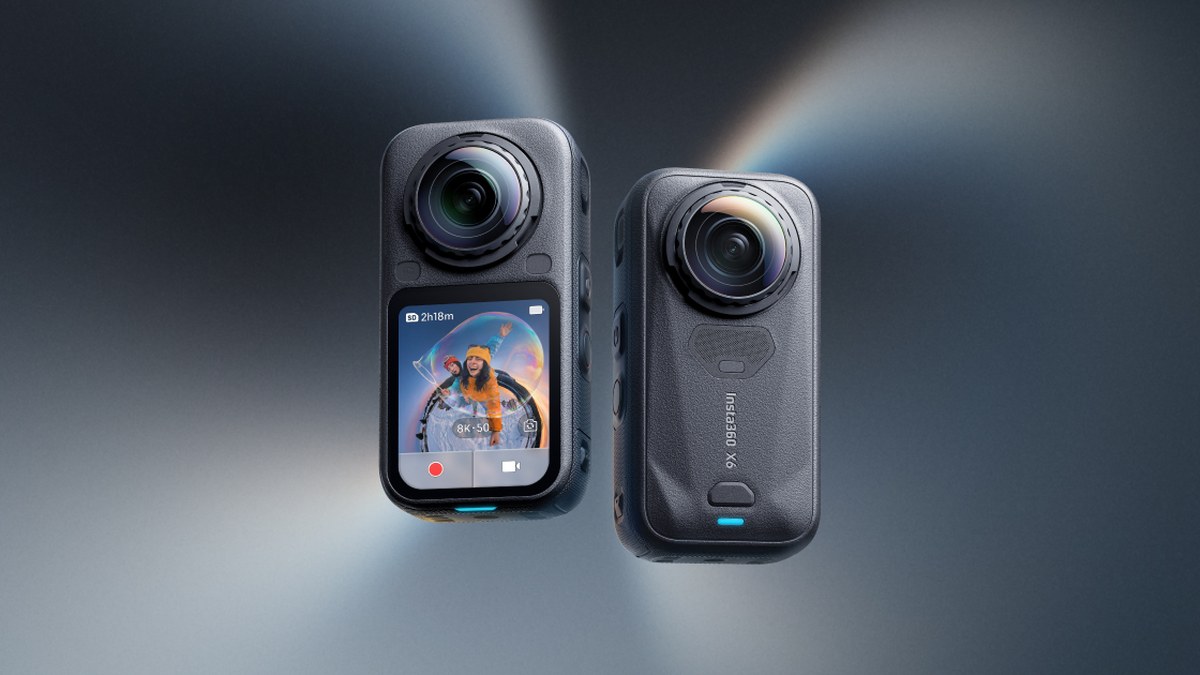
Photo: Property of Insta360
In This Article
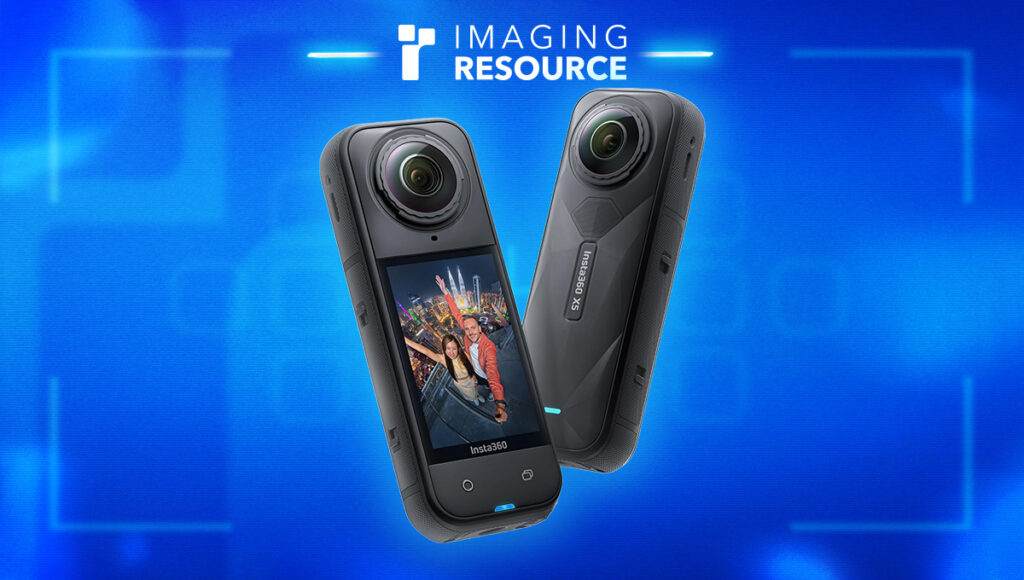
The X6 is a 360 camera, and that changes the whole question of mounting. A normal action camera has to be aimed, so you end up with three mounts, three angles and three batteries to cover a ride. A 360 camera captures everything around it in one shot, so one mount records the road ahead, your hands on the bars and the scenery going past at the same time. The catch is that everything else about the setup has to be right, because you cannot fix framing after the fact if the camera was in the wrong place, and you cannot fix wind noise at all.
Insta360's spec sheet gives you 8K at 50fps, up from 8K 30fps on the X5, along with 10-bit I-Log and Dolby Vision. It also claims 140 minutes of 8K30 recording per charge, a waterproof rating to 66 feet, 64GB of internal storage plus a microSD slot, and 120MP 360 photos alongside 42MP flat photos. Those numbers describe a capable camera. What they do not describe is how to run it on a bike for a full day, which is the part that actually decides whether the footage is usable.
Why One Mount Covers the Whole Ride
With a conventional camera, every angle change means a physical change: you stop, you re-aim, you hope. With a 360 camera mounted once, the framing decision moves to the edit. A clip shot from a handlebar clamp can be reframed to look forward, swing round to your boots on the pegs, or pull back into a wide shot following the bike. That is the real advantage on a touring day, where the good moments are not the ones you predicted.
The trade is resolution per degree. An 8K 360 frame wraps a full sphere, so when you flatten it into a normal-looking 16:9 view you are using a slice of that image. This is why the jump from 8K30 to 8K50 matters less for sharpness than for motion: at 50fps a pan across the frame holds together far better than it does at 30, and 360 footage gets panned constantly in the edit.
Where to Mount It, and Where Not To
The best position on a touring bike is a short arm off the handlebar clamp or the mirror stalk, sitting just above and behind the screen. It sees over the instruments, it is inside the pocket of still air the screen creates, and it stays clear of your hands at full lock. A 360 camera on a short stick behind the screen also gets a clean stitch line, because neither lens is looking directly at a flat surface close to the glass.
Two positions to avoid. First, anything on the tank: the lens sits inches from a reflective painted surface and the stitch seam shows in every frame. Second, anything hard-mounted to the frame or crash bars. A 360 camera has two lenses working together, and vibration that a normal camera would show as blur instead shows up as a wobbling stitch line through the middle of the shot. A short arm with some give is worth more than a solid bracket.
Mount it once, at the start of the day, and leave it alone. Every stop you spend adjusting a mount is a stop you are not riding, and the whole point of the format is that you do not need to adjust it.
What 8K50 Actually Costs You in Battery
Insta360 claims 140 minutes of 8K30 recording per charge. Read that carefully: 140 minutes is the 8K30 figure, measured in conditions the company chooses, and it is not the number you will see. Shooting 8K50 instead of 8K30 is a heavier workload on the processor and the encoder, so it draws more power over the same minute. Cold air, a screen you keep waking up, and the constant writing of a bike-length clip all pull the real figure down further.
For planning, treat 140 minutes as an optimistic ceiling and assume something closer to two hours of real 8K50 recording, split across clips, on a mild day. That is plenty for the good parts of a ride and nowhere near enough for continuous recording from breakfast to dinner. The practical routine is the one that has always worked: start with a full battery, record in deliberate clips rather than one long rolling file, and carry a second battery in an inside pocket where your body keeps it warm.
Storage: 64GB Onboard Plus a Card
The X6 has 64GB of internal storage and still takes a microSD card, which is a genuinely useful combination on a bike. Internal storage means the camera works the moment you turn it on, with no chance of arriving at the trailhead having left the card in a laptop. The card is where the day's footage should actually live, because pulling files off a card is fast and pulling them off internal memory means the camera is tethered while you wait.
8K50 footage is large. An 8K 360 clip at 50fps consumes card space at a rate that will surprise anyone coming from 4K, and a full day of highlights will not fit on the internal 64GB alone. Buy a card rated for sustained writes rather than the cheapest high-capacity one on the shelf, and format it in the camera before the trip rather than trusting a card that has been living in a drawer.
Stopping the Wind Roar
Wind noise is the single biggest quality problem on motorcycle footage, and no camera solves it by itself. A 360 camera is exposed on both sides, so at highway speed the microphones hear a roar that buries the engine, the exhaust and anything you say. The fix is physical, not digital.
- Get it out of the airflow. Behind the screen, low and shielded, is dramatically quieter than up on a tall stick above the bars.
- Cover the mics. A foam windscreen over the mic openings cuts the high-frequency roar that makes footage unwatchable.
- Narrate separately. Record your commentary on a phone or a separate recorder inside the helmet, then lay it over the footage in the edit. Helmet-interior audio is clean because the wind never reaches it.
- Keep the engine, drop the roar. In the edit, a high-pass filter removes most of the wind while leaving the lower frequencies of the exhaust intact.
The order matters. Shield the camera first, because that is free and it improves every second of footage. Add a windscreen next. Only reach for a separate audio recorder if you actually want to talk through the ride.
A Full Riding Day, Step by Step
Charge both batteries the night before. Format the card in the camera. Mount the camera behind the screen, check the stitch line with a ten-second test clip, and then leave the mount alone for the day. Record in clips of five to ten minutes, starting each one deliberately when something worth keeping is about to happen. Swap batteries at lunch, not when the camera dies mid-corner. At the end of the day, copy the card to a laptop and confirm the files open before you format anything.
That routine takes about five minutes of attention across a whole day, which is the correct amount for a camera whose job is to be forgotten until the edit.
What It Will Not Do
The X6 will not give you a clean close-up of a distant subject, because 360 resolution spread over a sphere does not compete with a normal lens pointed at one thing. It will not record all day on one battery. And it will not fix wind noise on its own, no matter what the marketing suggests. What it will do is capture angles you would otherwise miss, from a single mount you set once in the morning, and on a long touring day that is the trade worth making.
Frequently Asked Questions
How long does the Insta360 X6 battery last while riding?
Insta360 claims 140 minutes of 8K30 recording per charge. At 8K50 in cold air, plan on closer to two hours of real recording split across clips, and carry a spare battery for a full day.
Where should I mount a 360 camera on a motorcycle?
A short arm off the handlebar clamp or mirror stalk, just above and behind the screen. Avoid the tank and hard-mounted frame brackets, where vibration distorts the stitch line.
Does the Insta360 X6 need a memory card?
It has 64GB of internal storage and a microSD slot. Internal storage means the camera always works, but 8K50 footage fills it quickly, so a fast card is the better place to keep a full day's clips.
How do I stop wind noise on a 360 motorcycle camera?
Shield the camera from airflow behind the screen, fit a foam windscreen over the mics, and record commentary separately inside the helmet if you want clean voice audio.
Is 8K50 worth using over 8K30?
Yes, for footage that will be reframed and panned in the edit. The extra frames hold a pan together much better, at the cost of battery and card space.
Sources
- Insta360 X6 specifications. 8K 50fps 360 video, 10-bit I-Log, Dolby Vision, 140-minute 8K30 battery claim, 66ft waterproof rating, 64GB internal storage plus microSD, 120MP 360 photos and 42MP flat photos.
- No Film School X6 coverage. Independent confirmation of the 8K 50fps recording mode and the internal storage arrangement.