Best Motorcycle Airbag Jackets 2026 — Alpinestars Tech-Air, Dainese & Budget Options
After getting rear-ended on my Indian Pursuit during the ECIC Muskoka trip — 4,000 km (2,485 miles) of riding that ended with neck, shoulder, and hand injuries — I started taking airbag vests seriously. Traditional armor is good, but it can't inflate before impact. An airbag vest can deploy in 20-40 milliseconds, faster than you can even register the crash is happening.
Here's my breakdown of the best motorcycle airbag systems available in 2026, from MotoGP-derived electronics to rugged mechanical tether systems.
Table of Contents
Electronic vs Mechanical — Which Is Right for You?
Before diving into specific products, you need to understand the two deployment types:
Electronic (autonomous): Uses gyroscopes, accelerometers, and GPS to analyze your movements thousands of times per second. When the algorithm detects a crash pattern, it deploys in 20-45ms — often before you hit the ground. No physical connection to the bike needed. Requires charged batteries. Examples: Alpinestars Tech-Air 5, Dainese Smart Jacket, Klim Ai-1.
Mechanical (tether): A physical cord connects you to the motorcycle. When you separate from the bike, the cord pulls a CO2 cartridge trigger. Deployment takes 80-100ms — slightly slower but still fast. No batteries, no software, no charging. Virtually foolproof. Examples: Helite Turtle 2, Hit-Air MLV-C.
Alpinestars Tech-Air 5 — Best Overall
Alpinestars Tech-Air 5
$829.95 USD
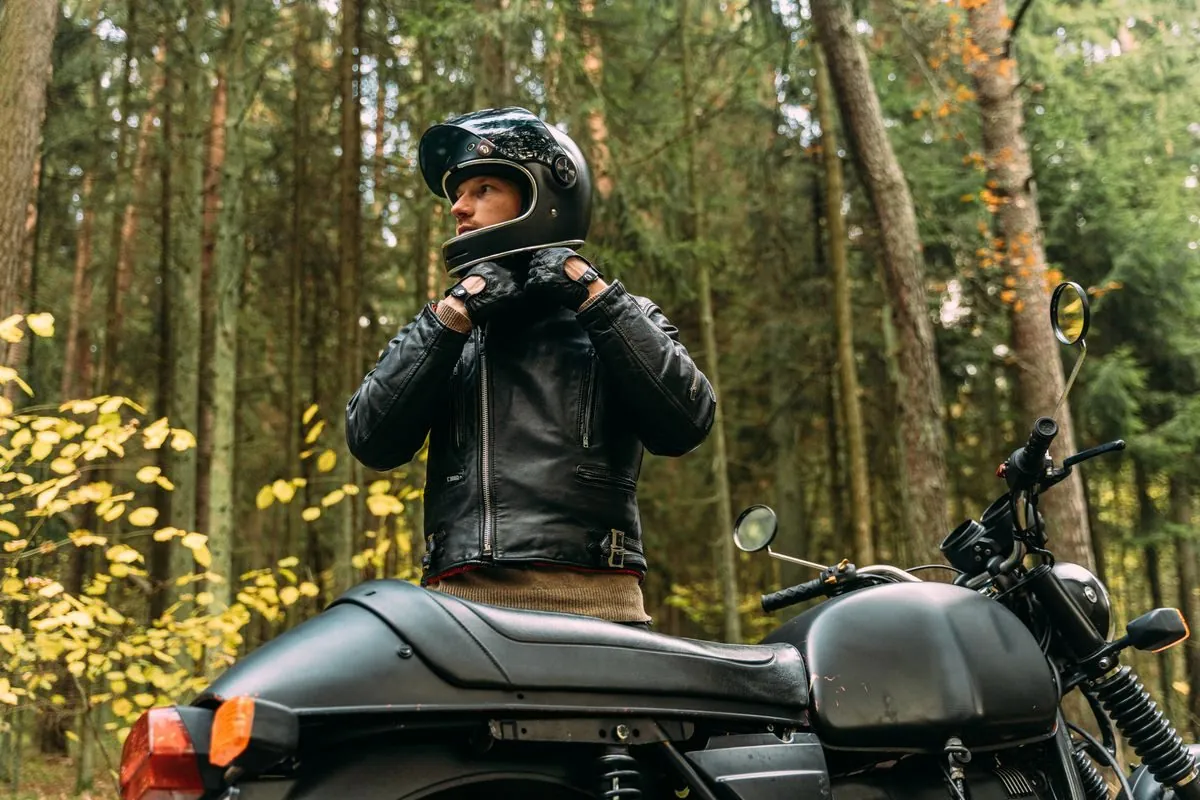
The Tech-Air 5 is widely regarded as the best motorcycle airbag on the market. It's an electronic, autonomous vest that requires no connection to the bike. Using MotoGP-derived algorithms, it can distinguish between a violent crash and a simple stumble — preventing false deployments.
Pros:
- Fastest deployment: 20-40ms
- Massive coverage: shoulders, chest, ribs, full back
- Worn under or over compatible jackets
- MotoGP-derived crash detection algorithms
- Autonomous — no bike setup required
- Can be worn with any compatible Alpinestars jacket
Cons:
- At $830, it's a significant investment
- Requires regular charging
- Best coverage only with compatible Alpinestars jackets
- Can't be used off-road (dirt bike riding)
For touring riders like me, the Tech-Air 5 is the gold standard. The coverage area is what sets it apart — it protects the full back, not just the spine. The algorithms are sophisticated enough that you can walk around, lean on the bike, even stumble without triggering a deployment. It knows the difference between a low-side slide and a parking lot tip-over.
Dainese Smart Jacket — Best Value
Dainese Smart Jacket
~$500 USD (frequently on sale)
The Dainese Smart Jacket uses their proprietary D-air technology. It can be worn over or under any standard motorcycle jacket, making it the most versatile option. The microfilament chamber design distributes pressure uniformly across the entire surface when inflated.
Pros:
- Best value in electronic airbags
- Works with any jacket (over or under)
- D-air technology from MotoGP racing
- Low-profile, breathable design
- Uniform pressure distribution
Cons:
- 45ms deployment (slower than Tech-Air 5's 20-40ms)
- Limited coverage compared to Tech-Air 5
- Battery life requires monitoring
- Slightly bulkier under a jacket
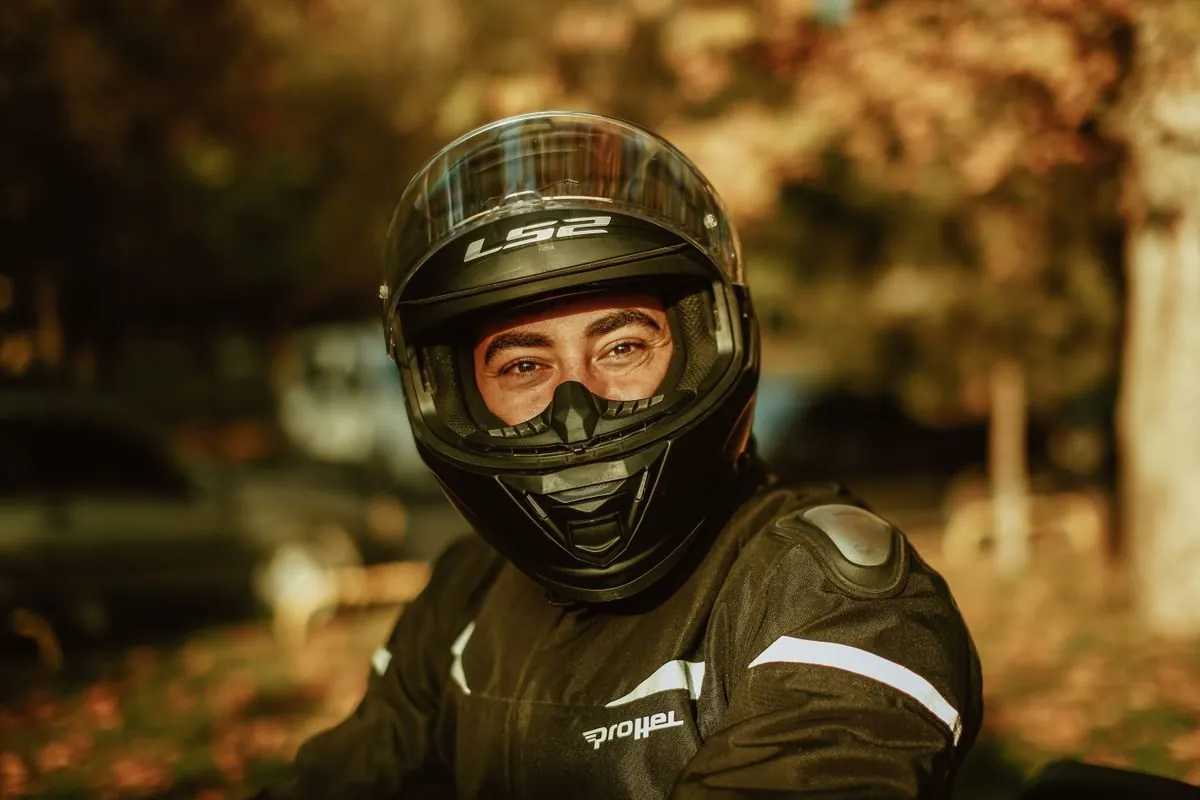
The Smart Jacket is the entry point I'd recommend to most riders. At around $500 (and frequently discounted), it delivers genuine D-air technology without the $800+ price tag of the Tech-Air 5. The ability to wear it over or under any jacket is a huge advantage — you're not locked into one brand's ecosystem.
Helite Turtle 2 — Best Mechanical
Helite Turtle 2
~$450-650 USD (varies by region)
The Helite Turtle 2 is the benchmark for mechanical (tether) airbag systems. Its unique design places a CE-certified back protector on the outside of the air chamber — like a turtle shell — dispersing impact forces across a wider area.
Pros:
- No batteries, no charging, no software
- Turtle shell design disperses impact broadly
- Excellent neck stabilization (prevents whiplash)
- CE-certified back protector even when deflated
- CO2 cartridges are cheap and easy to replace
- Perfect for adventure and dual-sport riding
Cons:
- 80-100ms deployment (slower than electronic)
- Tether must be attached every ride
- Can deploy if you forget to disconnect
- Bulkier than electronic vests
For adventure riders who go off-grid — where charging electronics isn't always possible — the Helite Turtle 2 is unbeatable. No batteries means no failures. The turtle shell design is genuinely innovative: even if the airbag doesn't deploy, the rigid back protector provides CE-level impact protection.
Klim Ai-1 — Best for Adventure
Klim Ai-1
~$400-600 USD (varies by configuration)
The Klim Ai-1 uses the In&motion electronic brain — the same modular system that powers several other brands' airbags. It's specifically designed for adventure and touring riders, with algorithmic updates via smartphone app.
Pros:
- In&motion brain is swappable between compatible jackets
- Multiple algorithm modes: Street, Track, Adventure
- Algorithms improve with crowd-sourced data
- Breathable, adventure-focused design
- Level 2 back protection even when deflated
Cons:
- Subscription model for In&motion updates
- Limited to compatible Klim garments
- Adventure mode sensitivity needs tuning
Full Comparison Table
| System | Type | Deploy Time | Price | Best For |
|---|---|---|---|---|
| Alpinestars Tech-Air 5 | Electronic | 20-40ms | $830 | Street/track touring |
| Alpinestars Tech-Air 10 | Electronic | ~25ms | $1,000+ | Pro/track use |
| Dainese Smart Jacket | Electronic | 45ms | ~$500 | Value, any jacket |
| Helite Turtle 2 | Mechanical | 80-100ms | $450-650 | Adventure, simplicity |
| Klim Ai-1 | Electronic | ~30ms | $400-600 | Adventure/touring |
| Hit-Air MLV-C | Mechanical | ~100ms | $300-400 | Budget, commuters |
| Spidi Air DPS | Mechanical | ~200ms | $400-500 | Lightweight, touring |
Why I'm Looking at Airbag Vests Now
On the return leg of my 4,000 km (2,485 mile) ECIC Muskoka trip, I was rear-ended by another motorcycle in stand-still traffic in Ottawa. I never came off the bike, but the resulting whiplash on my right side plus shoulder, arm, and hand injuries took weeks to recover from. A chest and neck airbag would have absorbed much of that impact.
With over 200,000 km (124,000 miles) of riding experience, I've been down before and I'll probably go down again. The question isn't whether you'll crash — it's whether you're okay with the tradeoff. An airbag vest is the one piece of gear that can protect you before impact, not just during it, but only you can decide if that's worth the comfort cost.
If you ride regularly, an airbag vest is no longer a luxury. It's the same calculation as wearing a helmet: the cost of not having one when you need it is infinitely higher than the cost of buying one.
Frequently Asked Questions
What is the best motorcycle airbag jacket in 2026?
The Alpinestars Tech-Air 5 ($829.95) is widely regarded as the best overall, with 20-40ms deployment and full upper body coverage. The Dainese Smart Jacket (~$500) is the best value. The Helite Turtle 2 is the best mechanical (tether) option for adventure riders.
How do motorcycle airbag jackets work?
Electronic systems use gyroscopes, accelerometers, and GPS to detect crashes and deploy in 20-45ms — faster than human reaction time. Mechanical (tether) systems use a cord connected to the bike that triggers a CO2 cartridge when the rider separates. Both inflate air cushions around the chest, back, and neck.
Are motorcycle airbag vests worth it?
Yes. Studies show airbag vests significantly reduce chest, neck, and spine injuries in crashes. For touring riders putting on thousands of kilometers, the investment is worthwhile. The Dainese Smart Jacket at ~$500 is the most accessible entry point.
How much do motorcycle airbag jackets cost?
Prices range from $500 for the Dainese Smart Jacket to $1,000+ for the Alpinestars Tech-Air 10. Mechanical tether systems like the Helite Turtle 2 and Hit-Air MLV-C are generally less expensive than electronic systems.
Can I wear an airbag vest under my motorcycle jacket?
Yes. The Dainese Smart Jacket and Alpinestars Tech-Air 5 can both be worn under or over a standard motorcycle jacket. The Tech-Air 5 is designed to be worn under compatible Alpinestars jackets. Check compatibility before purchasing.
Buy on Amazon
Affiliate Disclosure: As an Amazon Associate I earn from qualifying purchases. If you buy through these links, I may earn a small commission at no extra cost to you.