Should You Delay Buying an Adventure Bike After a Recall?
Multiple adventure bike recalls in 2026 — KTM, Triumph, BMW — have buyers wondering whether to wait. The answer depends on the defect, the VIN, and whether the repair is done. Here is a practical decision framework for Canadian buyers.
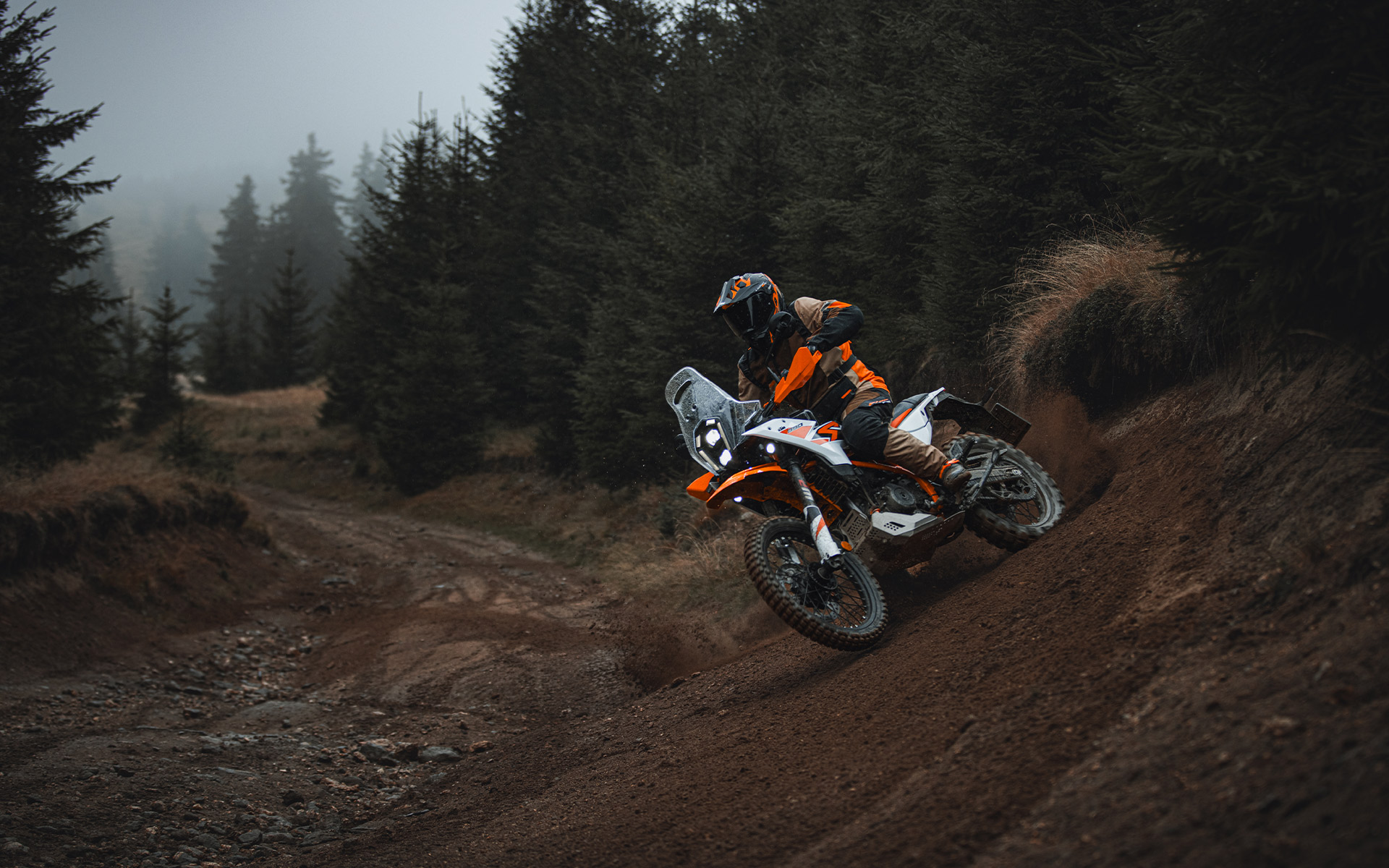
Image: KTM official product photography
Table of Contents
Why recalls do not automatically mean "wait"
When you hear that an adventure bike has been recalled, the instinct is to hold off on buying. But a recall does not mean the motorcycle is inherently unsafe or poorly built. Recalls are the manufacturer identifying a defect and offering a free fix — which is exactly what you want a manufacturer to do. A bike with a completed recall repair has been inspected and corrected by an authorized dealer. In some cases, that makes it safer than a non-recalled bike that has never been examined.
The 2026 riding season has seen several notable recalls: KTM's stop-ride notice affecting approximately 21,040 Husqvarna and GASGAS off-road motorcycles due to a rear brake caliper defect, Triumph's TF 450 cylinder head recall affecting four models, and BMW's S 1000 RR ignition coil recall. Each has different severity, different repair processes, and different implications for buyers.
When a recall should make you pause
Not all recalls are equal. Here is how to gauge whether a recall is serious enough to delay your purchase:
Stop-ride notice — pause and verify. If the recall includes a stop-ride notice (like the KTM brake caliper recall), the defect is severe enough that riding is unsafe. Do not take delivery until the repair is confirmed complete. If the dealer has already performed the fix, ask for documentation. If the repair has not been done, the dealer should perform it before you take the bike.
Safety-critical components — verify repair status. Recalls involving brakes, steering, frame, suspension, or fuel systems are safety-critical. A bike with an open safety recall should not be ridden, and you should not buy one without confirming the repair will be completed. However, once the repair is done, the bike is safe — the defect has been permanently corrected.
Non-safety campaigns — less urgent. Some recalls involve emissions components, cosmetic issues, or minor functionality problems. These do not pose an immediate safety risk and can typically be addressed at your first service appointment. They should not delay a purchase.
How to check a bike's recall status before buying
Before buying any adventure motorcycle — new or used — check the recall status. This is a 10-minute process that can save you from buying a bike with an undisclosed safety defect.
- Get the VIN: The 17-digit VIN is on the steering head and on the registration. If buying from a private seller, request it before travelling to see the bike.
- Check Transport Canada's recall database: Go to the Transport Canada recalls website and search by manufacturer. Canadian recall campaigns are listed separately from US campaigns, so check both.
- Check the manufacturer's owner portal: Most manufacturers (KTM, BMW, Triumph) have online owner portals where you can enter a VIN and see open campaigns.
- Call an authorized dealer: Any authorized dealer can run the VIN through the manufacturer's system and tell you whether there are open campaigns. This is the most reliable method.
- For US-purchased bikes: Also check the NHTSA recall database at safercar.gov, as some campaigns may not appear in Canadian databases if the bike was originally sold in the US.
What to ask the dealer
If you are buying from a dealership, ask these specific questions before signing:
- "Can you confirm this VIN has no open recall campaigns?"
- "If there are open campaigns, will you complete them before delivery?"
- "Can you provide written documentation of completed recall repairs?"
- "Is the bike safe to ride as-is, or is there a stop-ride notice in effect?"
- "What is the warranty coverage on the recall repair?"
A reputable dealer will answer all of these without hesitation. If a dealer is evasive about recall status or unwilling to provide documentation, walk away. Any authorized dealer can check recall status in minutes — there is no reason for delay or ambiguity.
A recall can actually be a good sign
Here is a counterintuitive perspective: a manufacturer that issues a recall promptly and transparently is doing exactly what it should. KTM's stop-ride notice on the brake caliper recall is aggressive — they are telling owners to stop riding immediately. That is a manufacturer taking safety seriously. A bike with a completed recall repair has been inspected and corrected to the manufacturer's updated standard.
When buying used, a bike with a documented completed recall can actually be preferable to one that was never recalled. The recalled bike has had the defective component replaced. A non-recalled bike from the same era may have the same component but has never been inspected.
The decision framework
Use this flowchart to decide whether a recall should delay your purchase:
1. Is there a stop-ride notice? If yes, do not take delivery until the repair is completed and documented. No exceptions.
2. Is the recall for a safety-critical component? If yes (brakes, steering, frame, fuel, suspension), confirm the repair will be completed before delivery or negotiate the price to reflect the open campaign. Get written confirmation.
3. Is the recall for a non-safety component? If yes, you can proceed with the purchase and have the campaign addressed at your first service. Note it in your records.
4. Has the repair already been completed? If yes, the bike is safe. Ask for documentation and proceed normally.
5. Can you not determine the recall status? If you cannot verify whether a campaign is open, do not buy until you can. Call an authorized dealer with the VIN. Ten minutes of due diligence can prevent buying a bike with a serious undisclosed defect.
Related Articles
Why the Cabot Trail Is Motorcycle Heaven - And How to How Much Storage Does Video Editing Really Need in 2026? Indian Pursuit Maintenance Schedule: What to Track Is 8K Video Worth It in 2026? What Most Creators MissFAQ
Not necessarily. Check the exact VIN, campaign status, repair availability, and dealer support before deciding. A recall with completed repairs may actually make a used bike safer than a non-recalled one.
A stop-ride notice or a safety-critical defect (brakes, steering, frame, fuel system) deserves priority over convenience or a sales deadline. A minor non-safety campaign can be addressed at your first service.
Ask the dealer to confirm the VIN, check for open campaigns, provide repair completion documentation, and verify the bike is safe to ride before taking delivery. Check both Transport Canada and NHTSA databases.
No. Safety recalls do not expire. The free repair is available for the life of the motorcycle, regardless of ownership. If you buy a used bike with an open recall, you can still get it fixed for free at any authorized dealer.
Information checked August 27, 2026. Confirm recall status with Transport Canada's recall database or an authorized Canadian dealer.